

close
Choose Your Site
Global
Social Media

Author: Site Editor Publish Time: 2026-07-18 Origin: Site
Hardware linkages remain the most frequent point of mechanical failure in high-performance window systems today. Constant actuation, structural wind loads, and extreme weather variations quickly expose hidden component weaknesses. Stiff metals and brittle commodity plastics frequently falter under relentless daily use. Because of this specific vulnerability, engineers are aggressively moving away from traditional metal linkages. They now favor advanced engineered polymers to build critical transmission components. This material shift directly impacts long-term structural integrity and user satisfaction.
We present an objective evaluation of these modern polymer solutions. You will discover their core mechanical properties and learn to navigate implementation risks. We will also outline strict criteria for comprehensive supplier selection in both commercial and residential window manufacturing. Whether you manufacture expansive commercial curtain walls or premium residential windows, this guide provides actionable insights. You will gain the technical grounding necessary to optimize your next hardware assembly.
Polyamide operating rods offer a necessary balance of high load-bearing capacity and low friction, specifically when reinforced with glass fibers (e.g., Nylon 6 or 66).
Unlike aluminum or standard PVC, extruded polyamide profiles maintain dimensional stability across extreme temperature fluctuations, preserving the thermal break integrity of the window frame.
Precision extrusion is non-negotiable; tight tolerances dictate the long-term operational smoothness and weather-sealing efficacy of the final window system.
Evaluating a supplier requires looking beyond material data sheets to assess their tooling precision, moisture conditioning protocols, and batch-to-batch consistency.
Defining the business problem starts at the end-user level. When locking mechanisms jam, snap, or degrade thermally, businesses suffer real financial damage. Warranty claims skyrocket quickly. Field replacement operations drain manufacturing resources. Furthermore, your brand reputation takes a massive hit in a highly competitive market. End-users expect seamless window operation for decades. When mechanisms fail to lock smoothly, customers lose trust instantly.
Legacy materials carry significant limitations. Engineers relied heavily on metals and standard plastics for decades. We must acknowledge their inherent flaws in high-load applications:
Metals: Aluminum and steel remain highly susceptible to corrosion over time. They create massive thermal bridging issues inside the frame. Additionally, metal-on-metal wear generates high friction and destructive metal shavings inside the hardware cavity.
Commodity Plastics (e.g., standard PVC): These basic polymers are prone to severe brittleness during freezing temperatures. They also suffer from permanent physical deformation under sustained operational loads.
Success demands better materials. To engineer reliable systems, you need components boasting consistent shear strength. They require a near-zero coefficient of friction to ensure smooth mechanical actuation. Furthermore, high thermal resistance is absolutely critical. We need durable operating rods capable of withstanding dynamic forces without yielding or shattering.
Nylon has entirely transformed fenestration hardware engineering. Specifically, Glass-Filled Polyamide (PA66 GF25) provides unparalleled mechanical advantages. Adding a 25% glass fiber reinforcement dramatically alters the structural integrity of the base nylon. It converts a standard polymer into a highly resilient composite ideal for high-wear applications. The glass fibers interlock the polymer chains internally, exponentially increasing the material rigidity.
Engineers constantly balance tensile strength against flexibility. You need sufficient rigidity to transfer strong locking forces across long window spans. However, the rod cannot become so stiff it shatters under sudden impact. PA66 GF25 strikes this perfect balance. It absorbs sharp shocks from aggressive sash closures. It then returns to its original shape without cracking.
Thermal synergy represents another critical factor. Window frames experience massive daily temperature swings. The thermal expansion coefficient of polyamide closely aligns with aluminum framing. This exact material match prevents mechanisms from binding during intense summer heat. It also stops dimensional tolerances from becoming loose during winter freezes.
The following performance breakdown illustrates the clear differences across common fenestration materials.
Material Type | Tensile Strength Under Load | Thermal Bridging Risk | Friction Characteristics |
|---|---|---|---|
Traditional Metal (Steel/Alu) | Extremely High | Very High (Poor Insulator) | High (Requires Lubrication) |
Standard PVC | Low to Moderate | Low | Moderate (Prone to Galling) |
Glass-Filled Polyamide (PA66) | High (Impact Resistant) | Very Low (Excellent Insulator) | Low (Self-Lubricating) |
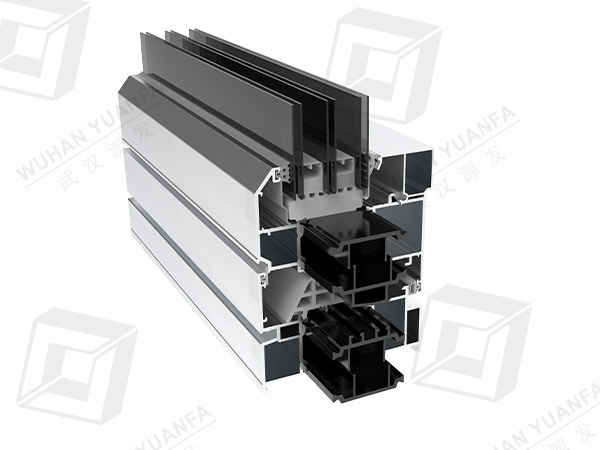
Performance outcomes dictate final component selection. When specifying polyamide operating rods, friction and wear resistance stand out immediately. Polyamides inherently possess unique self-lubricating properties. They drastically reduce the actuation force required by the end-user. Homeowners can smoothly operate heavy, triple-glazed windows utilizing minimal physical effort.
Corrosion and chemical resistance provide massive longevity benefits. Coastal salt air destroys exposed metal components in months. Urban pollution introduces acidic compounds directly into window tracks. Aggressive window cleaning solvents degrade standard commodity plastics. Advanced polyamides remain virtually immune to these harsh environmental factors. They simply do not rust, pit, or dissolve.
Acoustic and thermal insulation represent another major outcome. Modern window systems must meet exceedingly strict U-value requirements. By placing engineered polymers inside the hardware cavity, you eliminate metallic thermal bridges. This separation prevents interior frost buildup. Furthermore, these dense polymer structures dampen sound vibrations actively, contributing to a noticeably quieter interior environment.
Best Practice: Always request material safety data sheets to verify resistance to common household chemicals before finalizing your design.
Every industrial material possesses unique behavioral traits. We must address the moisture absorption variable transparently. Polyamides are naturally hygroscopic. They actively absorb moisture from the surrounding atmosphere. Proper moisture conditioning during manufacturing is absolutely vital. Reputable facilities stabilize the material perfectly before it reaches the assembly line. This controlled conditioning ensures the profile achieves its final dimensional state prior to installation.
Extrusion tolerances demand absolute precision. In modern multi-point locking systems, a "close enough" mentality always fails. If a transmission rod is off by a fraction of a millimeter, the entire mechanism binds. We require custom tooling to achieve tight micro-tolerances in complex geometries. Precision directly dictates the final weather-sealing efficacy.
Tooling and lead times require careful planning. Custom extrusion dies involve upfront costs and development time. You must balance these initial investments against long-term lifecycle savings. High-quality tooling guarantees lower mechanical failure rates over decades of field service. High-performance extruded polyamide profiles require flawless execution from the very beginning.
Common Mistake: Ignoring moisture conditioning protocols often leads to hardware swelling inside the window track, resulting in costly post-installation service calls.
Selecting the right extrusion partner dictates your project's overall success. Quality Assurance (QA) and testing transparency are non-negotiable. Demand verifiable cycle-testing data from your suppliers. You should always request exact tensile strength reports and comprehensive dimensional inspection logs. A reliable partner freely shares this analytical data.
Consider the massive benefits of in-house tooling versus outsourced toolmaking. Partnering with extruders managing their own die-making radically reduces risk. It speeds up iteration time during early prototyping. When mechanical adjustments are necessary, an in-house tool room resolves dimensional issues in hours instead of weeks.
Watch out for critical red flags. Avoid suppliers reluctant to share raw material origins. You must know their regrind versus virgin polymer ratios. High regrind ratios severely compromise composite structural integrity. Also, reject vendors lacking specific experience in fenestration hardware. Generalist extruders rarely understand the extreme load demands of modern window systems.
Follow these structured next-step actions to secure a vendor:
Define Acceptable Quality Limits (AQL): Document your exact tolerance thresholds and performance requirements thoroughly.
Request Prototype Samples: Evaluate short-run physical samples for surface finish, rigidity, and dimensional accuracy.
Conduct Pilot Runs: Integrate a small batch directly into your hardware assembly line to verify smooth integration.
Perform Cycle Testing: Run the pilot assemblies through automated actuation cycles simulating twenty years of daily use.
Commit to Volume: Only sign bulk agreements after the pilot batch passes all mechanical and thermal tests.
The transition toward engineered polymers represents a massive leap forward in fenestration design. Evaluating extruded polyamide components confirms their superiority over legacy metals. They offer a verifiable method to increase window lifecycles drastically. They successfully reduce catastrophic thermal and mechanical failures across extreme climates.
Base your final purchasing decisions on strict technical criteria. Demand rigorous dimensional tolerances and transparent material provenance. Ensure the components align perfectly with your overall window system engineering goals. Precision matters at every single step of the supply chain.
Consult an extrusion engineer early in your design phase. Request a technical data sheet or a physical sample for your specific profile requirements. Proactive material specification guarantees a stronger, far more reliable window system.
A: PA66 offers slightly higher temperature resistance and overall rigidity. This makes it ideal for components facing high structural loads. PA6 provides superior impact resistance and often yields a smoother surface finish. Engineers generally prefer PA66 for structural linkages in severe environments.
A: The added glass fibers cause significantly increased wear on extrusion dies. This abrasion requires highly specialized, hardened tooling. While this specialized tooling increases initial manufacturing costs, the resulting superior component strength easily justifies the investment.
A: Yes, polyamides naturally absorb moisture. However, proper engineering entirely accounts for this trait. Manufacturers utilize pre-conditioning processes to stabilize the rods before shipment. They also calculate precise expansion tolerances directly into the profile design, preventing operational binding.
A: Yes. When matched properly for tensile strength, they perform exceptionally well. Specific glass-fill ratios provide the necessary rigidity to transfer heavy locking loads. They meet rigorous forced-entry resistance standards while successfully eliminating harmful thermal bridging issues.


