

close
Choose Your Site
Global
Social Media

Author: Site Editor Publish Time: 2025-11-11 Origin: Site
Are your energy bills rising unexpectedly? It might be time to inspect your polyamide insulating profiles. These profiles are crucial for maintaining energy efficiency in buildings. In this article, you'll learn when to change these profiles, ensuring your home stays comfortable and cost-effective. We'll cover signs of wear, factors affecting longevity, and tips for choosing replacements.
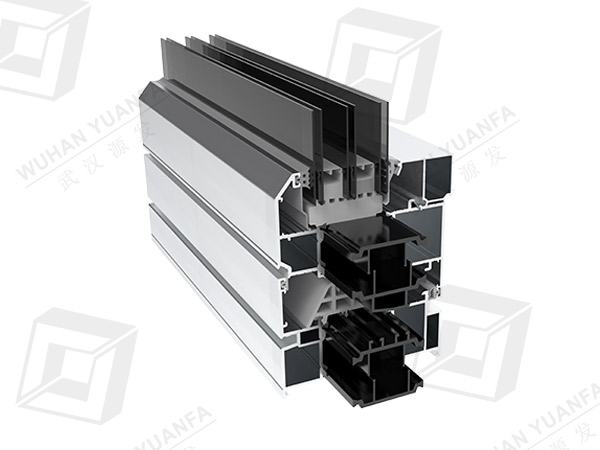
Polyamide insulating profiles are special components used mainly in construction to improve thermal insulation, especially in metal window and door frames. These profiles act as thermal barriers, reducing heat transfer between the inside and outside of a building.
Polyamide insulating profiles are made from a type of durable plastic called polyamide, often known as nylon. This material is chosen for its excellent mechanical strength, resistance to heat, and good insulating properties. The profiles are inserted between metal parts, typically aluminum frames, to break the flow of heat or cold through the metal, which otherwise conducts temperature very well.
Since aluminum is strong but a poor insulator, these polyamide profiles help prevent energy loss by creating a thermal break. This makes buildings more energy-efficient and comfortable, reducing heating and cooling costs.
High Thermal Resistance: Polyamide profiles significantly lower heat transfer through metal frames, improving energy efficiency.
Durability: They resist wear, moisture, and temperature changes, ensuring long-lasting performance.
Mechanical Strength: Despite being plastic, polyamide profiles provide structural support to window and door frames.
Moisture Resistance: They reduce condensation risk, preventing mold growth and damage.
Lightweight: They add minimal weight to the frames, maintaining ease of installation and structural integrity.
Aluminum Window and Door Frames: To provide thermal breaks and improve insulation.
Curtain Walls and Facades: Large glass and metal structures benefit from these profiles to reduce energy loss.
Skylights and Glass Roofs: They help maintain indoor comfort by limiting heat transfer.
Commercial and Residential Buildings: Any structure using metal frames can improve energy efficiency with these profiles.
The Empire State Building, a famous example, replaced its aluminum windows with thermally insulated frames containing polyamide barriers to reduce energy costs significantly.
Tip: When selecting polyamide insulating profiles, consider their thermal resistance ratings and compatibility with your metal frames to maximize energy savings and durability.
Polyamide insulating profiles play a crucial role in maintaining energy efficiency and comfort in buildings. Over time, they can show signs of wear or reduced performance. Recognizing these signs early helps avoid costly repairs and energy waste.
One of the clearest indicators is physical damage. Look for cracks, breaks, or deformation in the profiles. Exposure to sunlight, temperature changes, or mechanical stress can cause the polyamide material to become brittle or warped. If you notice these defects, it's a strong sign the profiles are no longer functioning properly.
Discoloration or fading can also indicate material degradation. Although it might seem cosmetic, it often reflects chemical changes weakening the profile's integrity.
If your building feels drafty or if heating and cooling bills rise unexpectedly, the insulating profiles might be failing. Polyamide profiles create a thermal barrier, so any damage or degradation reduces their effectiveness. You may notice cold spots near windows or doors during winter or excessive heat in summer.
Using thermal imaging cameras can help detect heat leaks caused by failing profiles. This technology reveals where insulation is compromised, even if damage is not visible.
Polyamide profiles resist moisture, but over time, seals can fail or profiles can absorb condensation. Moisture presence inside or around the profiles signals potential failure. This can lead to mold growth, which damages the profiles and poses health risks.
Check for any signs of mold, musty odors, or water stains near window and door frames. These symptoms mean the insulating barrier is compromised and needs replacement.
Polyamide insulating profiles have a typical lifespan of 20 to 30 years, depending on environmental conditions and quality. Aging causes gradual loss of mechanical strength and thermal resistance. Even if no visible damage exists, profiles nearing or exceeding their lifespan should be evaluated.
Older profiles may not meet current energy efficiency standards. Upgrading to newer, higher-performance profiles can improve comfort and reduce energy costs.
Polyamide insulating profiles are designed to be durable, but several factors can cause them to degrade over time. Understanding these elements helps building owners and maintenance teams identify risks early and plan replacements before serious damage occurs.
Environmental conditions play a significant role in the lifespan of polyamide insulating profiles. Exposure to extreme temperatures, UV radiation, and weather fluctuations can accelerate wear. For example:
UV Radiation: Prolonged sunlight exposure can lead to photo-oxidation, causing the polyamide material to become brittle and lose strength.
Temperature Extremes: Constant cycles of heating and cooling cause expansion and contraction, which may create micro-cracks or warping.
Humidity and Rain: Moisture infiltration, especially when seals fail, can promote hydrolysis, breaking down polymer chains and reducing mechanical properties.
These environmental stresses gradually reduce the profile’s ability to insulate and support structural integrity.
Chemical exposure, often overlooked, can severely affect polyamide profiles. Contact with harsh substances such as solvents, oils, or cleaning agents may cause chemical degradation. This results in:
Surface Erosion: Chemicals can erode the profile surface, weakening it.
Discoloration: Chemical reactions may discolor the profiles, signaling underlying damage.
Loss of Mechanical Strength: Structural breakdown reduces the profile’s load-bearing capacity and insulation efficiency.
Gaps and Misalignments: These allow air and moisture to penetrate, leading to condensation and mold growth.
Mechanical Stress: Incorrect fitting can cause undue stress on the profiles, leading to cracks or deformation.
Inadequate Sealing: Poor sealing reduces the thermal break effect, increasing heat transfer and energy loss.
Rodents and pests can cause unexpected damage to polyamide insulating profiles. They often seek shelter in wall cavities or window frames, leading to:
Chewing Damage: Rodents gnaw on profiles, creating holes and weakening structural integrity.
Nesting Materials: Debris from nests can trap moisture, encouraging mold and further degradation.
Contamination: Pest droppings may introduce harmful bacteria, posing health risks and compromising indoor air quality.
Tip: Schedule regular inspections focusing on environmental exposure, chemical contact, installation quality, and pest activity to catch early signs of polyamide profile deterioration and extend their service life.
Delaying the replacement of polyamide insulating profiles can lead to several costly and harmful consequences. These profiles play a vital role in maintaining a building’s energy efficiency, indoor air quality, and structural health. Ignoring signs of deterioration risks not only higher expenses but also occupant well-being.
When polyamide profiles degrade, their thermal barrier weakens. This allows heat to escape during winter and enter during summer, forcing heating and cooling systems to work harder. The result is a noticeable spike in energy bills. For example, buildings with failing insulation can see energy costs rise by 10-30%, depending on climate and building size. Over time, these extra expenses add up, making delayed replacement an expensive choice.
Damaged profiles often allow moisture to seep into window and door frames. This moisture encourages mold and mildew growth, which release spores into the indoor air. Exposure to these spores can cause allergies, respiratory issues, and other health problems for occupants. Additionally, pest infestations common in deteriorated profiles introduce contaminants and allergens, further degrading air quality. Poor air quality not only affects health but also reduces occupant comfort and productivity.
Moisture trapped due to failing profiles can lead to rot and decay in surrounding building materials such as wood or drywall. Over time, this weakens the structure, causing costly repairs. In extreme cases, prolonged moisture exposure can compromise the stability of window or door frames, leading to safety hazards. Also, pests attracted by damaged insulation may chew on wiring or other components, increasing risks of electrical faults or fires.
Mold spores and pest contaminants released from compromised profiles pose serious health risks. Prolonged exposure can trigger asthma attacks, skin irritation, and infections. Vulnerable groups such as children, elderly, or people with pre-existing conditions face even greater dangers. Maintaining healthy indoor air is essential, making timely replacement of degraded profiles crucial for occupant safety.
Selecting the right polyamide insulating profiles for replacement requires careful consideration. The goal is to restore or enhance your building’s thermal efficiency, durability, and overall performance. Here are key factors to guide your decision.
Polyamide profiles vary by formulation and design. Some include additives for UV resistance or enhanced mechanical strength. When choosing, consider:
Quality of Polyamide: Higher-grade polyamides resist aging, moisture, and chemicals better.
Profile Design: Profiles with optimized cross-sections improve thermal breaks.
Compatibility: Ensure the new profiles fit your existing aluminum frames or window systems.
Check Manufacturer Specs: Compare R-values across options.
Match Climate Needs: Colder climates benefit from profiles with higher thermal resistance.
Balance with Other Materials: Consider glazing and frame materials to optimize overall insulation.
Professional Installation: Experts ensure proper fit, sealing, and alignment, preventing gaps or moisture intrusion.
DIY Installation: May save costs but risks improper sealing or damage, leading to premature failure.
For best results, hire professionals experienced in polyamide profile replacement. They follow manufacturer guidelines and building codes.
Material Costs: High-quality polyamide profiles cost more upfront but offer longer service life.
Labor Costs: Professional installation adds to expenses but prevents costly issues later.
Long-Term Savings: Investing in better profiles and installation reduces energy bills and maintenance.
Proper maintenance extends the life of polyamide insulating profiles and keeps buildings energy-efficient. Regular care prevents early deterioration and costly replacements. Here are key maintenance tips to help your profiles last longer.
Inspect profiles at least twice a year, ideally in spring and fall. Look for cracks, discoloration, or any signs of moisture buildup. Early detection of damage helps prevent bigger problems.
Clean profiles gently using a soft brush or cloth. Avoid harsh chemicals that might degrade the polyamide material. Use mild soap and water to remove dirt or grime. Keeping profiles clean reduces the risk of mold and maintains thermal performance.
Correct installation is vital for profile longevity. Ensure profiles fit snugly between metal frames without gaps or misalignment. Poor installation causes air leaks and moisture intrusion, leading to faster deterioration.
Use recommended sealing materials and follow manufacturer guidelines strictly. Professional installers have the experience to avoid common pitfalls. They ensure profiles maintain their insulating properties and structural support.
Moisture is a major enemy of polyamide profiles. Use weatherproof sealants around frames to prevent water ingress. Check seals regularly and replace them if damaged.
Pests like rodents can chew on profiles or nesting materials trap moisture. Implement pest control measures around the building perimeter. Seal any entry points to keep rodents out. Regularly inspect for signs of infestation and act promptly.
Even with routine checks, schedule professional evaluations every few years. Experts use tools like thermal imaging cameras to detect hidden heat leaks or moisture inside profiles.
They can assess the overall condition and recommend timely repairs or replacements. Professional evaluations ensure your polyamide insulating profiles perform optimally and last longer.
Polyamide insulating profiles are vital for energy efficiency, but they can deteriorate over time. Regular maintenance and inspections help prevent costly issues. Consider replacing profiles when signs of wear, decreased thermal performance, or moisture appear. These profiles offer high thermal resistance and durability, enhancing building comfort and reducing energy costs. For top-quality polyamide insulating profiles, consider Yuanfa. Their products provide exceptional insulation benefits, ensuring long-lasting performance and value for your construction needs.
A: Polyamide Insulating Profiles are used in construction to improve thermal insulation in metal window and door frames, acting as thermal barriers to reduce heat transfer between the inside and outside of a building.
A: Change your Polyamide Insulating Profiles when you notice visible wear, decreased thermal performance, moisture presence, or if they exceed their typical lifespan of 20-30 years.
A: Polyamide Insulating Profiles are important for energy efficiency because they create thermal breaks in metal frames, reducing heat transfer and lowering heating and cooling costs.
A: Factors such as environmental conditions, chemical exposure, poor installation, and pest infestation can contribute to the deterioration of Polyamide Insulating Profiles.
A: Polyamide Insulating Profiles offer high thermal resistance, durability, and mechanical strength, making them superior for use in metal frames compared to other insulating materials.


