

close
Choose Your Site
Global
Social Media

Author: Site Editor Publish Time: 2025-09-23 Origin: Site
In modern construction, energy-efficient buildings are crucial. A key component of this efficiency is the thermal break strip. These small yet powerful materials significantly enhance energy performance, tackling issues like heat loss and condensation.
In this article, we will explore what thermal break strips are, how they function, and why they are essential for energy-efficient design.
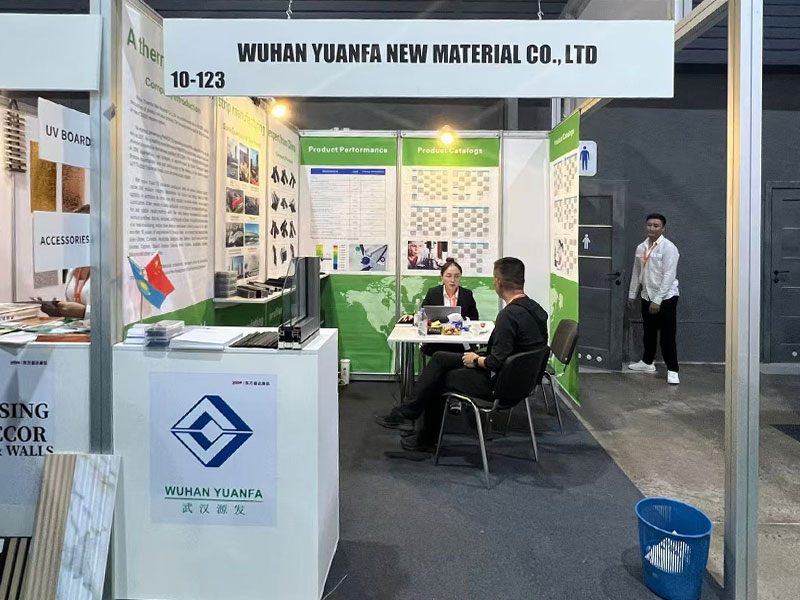
A thermal break strip is a specially designed material inserted between two conductive materials, often metal, to prevent heat transfer. These strips are primarily made from low thermal conductivity materials such as polyamide (a type of plastic) or polyurethane, which act as barriers to reduce the flow of heat or cold.
In building applications, thermal break strips are used in window frames, door frames, and curtain walls, preventing the transfer of heat between the exterior and interior of the structure. Without these strips, materials like metal would allow heat to flow freely, leading to unwanted energy loss.
Thermal break strips work by creating an insulating barrier between two materials that would otherwise conduct heat or cold. When placed between the inner and outer sections of a window or door frame, they prevent thermal bridging, the process by which heat travels through solid materials.
These strips interrupt the natural heat flow, reducing the amount of energy needed for heating or cooling. This mechanism helps maintain a consistent indoor temperature and reduces the strain on HVAC systems.
Thermal break strips are most commonly found in the construction of windows, doors, and curtain walls. In residential buildings, they are used in aluminum window frames to prevent condensation and minimize heat transfer. In commercial and high-rise buildings, these strips are integrated into large glass facades and curtain walls to enhance energy performance.
By improving the insulation of building envelopes, thermal break strips are essential for modern energy-efficient architecture.
Thermal break strips are crucial for reducing energy consumption in buildings. Without them, materials like metal window and door frames can conduct heat, causing energy loss through thermal bridging. By preventing heat from transferring through these materials, thermal break strips help maintain a consistent indoor temperature, reducing the need for heating in winter and cooling in summer.
This energy-saving feature significantly lowers utility bills, making buildings more cost-efficient in the long term.
Indoor comfort is a key concern in building design, and thermal break strips contribute significantly to this. In buildings without thermal breaks, the cold or hot metal frames can cause discomfort, especially near windows and doors. By using thermal break strips, these temperature differences are minimized, ensuring that interior surfaces remain closer to room temperature.
This leads to a more stable and comfortable indoor climate, free from drafts and cold spots. Whether in homes, offices, or shopping centers, thermal break strips provide a more pleasant living or working environment.
Condensation can be a significant problem in buildings with poorly insulated frames. When warm indoor air meets cold surfaces, water droplets form, leading to issues like mold growth and structural damage. Thermal break strips help combat this by keeping the interior surface of the frame warmer and reducing the chances of condensation.
By controlling moisture levels, thermal breaks also protect the building's structural integrity and improve indoor air quality, creating a healthier environment for its occupants.
While the initial cost of thermal break strips may seem higher, the long-term savings are significant. By improving a building’s energy efficiency, thermal breaks reduce the need for frequent heating and cooling, leading to lower utility costs. Over time, the savings on energy bills far outweigh the installation costs.
Moreover, thermal break strips reduce the workload on HVAC systems, extending their lifespan and reducing maintenance costs.
In addition to enhancing thermal performance, thermal break strips also contribute to the structural integrity of buildings. Materials like polyamide, commonly used in thermal breaks, offer excellent mechanical strength. These strips help to support load-bearing functions, particularly in large or tall buildings.
The strength and stability of the thermal break strips ensure that the frames remain secure and functional, even in extreme weather conditions.
As the world becomes more focused on sustainability, thermal break strips play a role in reducing a building's carbon footprint. By improving energy efficiency, thermal breaks reduce the need for excessive heating and cooling, which in turn decreases a building’s overall energy consumption.
Furthermore, many thermal break strips are made from recyclable materials, contributing to a circular economy and supporting eco-friendly construction practices.
Tip: Thermal break strips are an excellent investment for both energy efficiency and long-term cost savings. Integrating them into building designs can help property owners meet environmental goals while enhancing occupant comfort.
Thermal break strips come in various types, with polyamide and polyurethane being the most common. Polyamide strips are known for their durability and strength, making them ideal for use in areas where mechanical performance is a priority. They are highly resistant to wear and tear, making them suitable for high-traffic or high-load applications.
Polyurethane methods, on the other hand, offer flexibility and ease of installation, especially for retrofitting existing structures. Polyurethane thermal breaks are adaptable to different building designs and provide excellent thermal performance in moderate climates.
When selecting a thermal break, it’s important to consider factors like the climate, building type, and performance requirements. For example, in colder regions, polyamide strips may be preferred due to their superior thermal insulation properties. In contrast, polyurethane methods may be more suitable for buildings requiring flexibility or retrofitting.
It’s essential to work with a knowledgeable supplier to choose the right thermal break for your specific needs.
| Feature | Polyamide Strips | Polyurethane Methods |
|---|---|---|
| Durability | Excellent for high-load applications | More flexible, ideal for retrofitting |
| Performance | Superior thermal insulation | High thermal performance in moderate climates |
| Installation | Requires precise installation | Easier and faster installation |
| Cost | Higher initial cost | More affordable for most projects |
In residential buildings, thermal break strips are often used in aluminum windows to improve insulation and reduce energy loss. For example, homes in colder climates benefit greatly from thermal breaks, as they help maintain a comfortable indoor temperature during the winter months.
In large commercial buildings, such as office towers and shopping centers, thermal break strips are essential for reducing energy consumption. These buildings often have large glass facades and extensive aluminum framing, making thermal breaks crucial for energy efficiency. By preventing heat loss and gain, these strips ensure that heating and cooling systems operate at optimal efficiency.
Thermal break strips are a key component in meeting modern building energy standards. Building codes like LEED (Leadership in Energy and Environmental Design), ASHRAE (American Society of Heating, Refrigerating and Air-Conditioning Engineers), and IECC (International Energy Conservation Code) require the use of energy-efficient materials to reduce energy consumption and enhance building performance.
Thermal break strips help buildings comply with these standards by improving thermal performance and reducing energy costs. Incorporating them into designs can also improve a building’s marketability, as energy-efficient buildings are increasingly in demand.
Thermal break strips are a vital part of modern construction. They improve energy efficiency, comfort, and reduce moisture issues, ensuring buildings are both sustainable and comfortable for occupants. Incorporating thermal break strips into new or retrofitted buildings results in long-term energy savings, cost efficiency, and environmental benefits. As the demand for energy-efficient buildings increases, thermal break technology, such as that provided by Wuhan Yuanfa New Materials, will continue to be essential for high-performance architecture.
A: A thermal break strip is a material inserted between two conductive materials, like metal, to prevent heat transfer. It helps reduce energy loss in buildings.
A: Thermal break strips improve energy efficiency by reducing heat transfer, enhancing indoor comfort, and preventing condensation in buildings.
A: Thermal break strips create an insulating barrier, interrupting thermal bridging to minimize heat transfer through building materials.
A: Thermal break strips offer energy savings, improved comfort, and reduced condensation, contributing to a building’s long-term performance.
A: Select a thermal break strip based on factors like building climate, material types, and desired energy performance. Polyamide and polyurethane are common options.
Discover the benefits of Thermal Break Strips for your building! Enhance energy efficiency, comfort, and reduce moisture issues with these essential components.


