

close
Choose Your Site
Global
Social Media

Author: Site Editor Publish Time: 2025-10-14 Origin: Site
Polyamide Operating Rods are revolutionizing industries due to their remarkable properties. These rods, made from nylon, offer exceptional strength, durability, and versatility in mechanical and industrial applications. They are increasingly used in automotive, machinery, and robotics.
In this article, we will discuss the key advantages of Polyamide Operating Rods, including their mechanical, thermal, and chemical benefits. You'll learn how these rods enhance performance and provide long-lasting, cost-effective solutions.
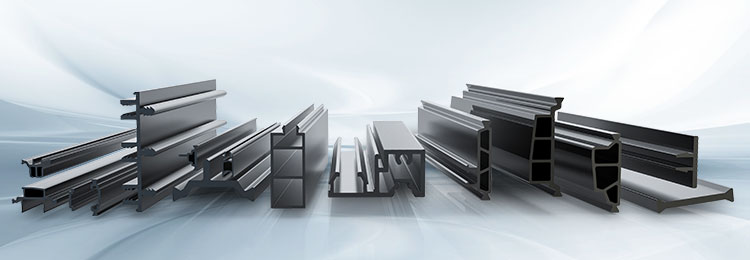
Polyamide is known for its outstanding tensile strength and impact resistance. This makes it ideal for applications where the material is subjected to high mechanical loads, such as in automotive and industrial machinery. Polyamide operating rods can withstand continuous stress without compromising their structural integrity, which is crucial for parts like gears, pulleys, and various mechanical linkages.
Example: In automotive applications, polyamide rods are often used for sunroof rails, where high tensile strength is required to endure mechanical loads while maintaining smooth operation.
Polyamide rods exhibit a low coefficient of friction, making them perfect for sliding applications where constant movement can cause wear over time. This resistance to wear helps extend the lifespan of the rods and reduces maintenance requirements. Their ability to minimize friction also ensures that mechanical systems function smoothly and quietly.
Example: Polyamide is commonly used in valve seats and bushings, where wear and friction would typically reduce the efficiency and longevity of metal components.
Polyamide's mechanical properties can be further enhanced by reinforcing it with materials such as fiberglass, carbon fiber, or minerals. This reinforcement improves the rods’ strength, stiffness, and thermal resistance, making them even more suitable for high-performance applications.
Example: Glass fiber-reinforced polyamide rods are often used in robotic components, where high strength and durability are necessary for reliable operation.
Polyamide operates efficiently even at elevated temperatures. Unlike many other materials, polyamide retains its mechanical strength and rigidity at higher temperatures, making it ideal for use in heat-sensitive applications. This property is particularly beneficial in machinery and automotive components that are exposed to high thermal conditions.
Example: Polyamide rods are used in automotive sunroofs, where they are exposed to constant heat and pressure but continue to perform optimally.
Polyamide rods offer excellent resistance to a wide variety of chemicals, including lubricants, oils, and greases. This resistance ensures that they maintain their integrity even in environments where other materials might degrade due to chemical exposure. This makes polyamide an ideal material for industrial applications that involve exposure to harsh chemicals.
Example: Polyamide operating rods are widely used in chemical processing plants, where parts are exposed to oils and other chemicals regularly.
Polyamide’s low thermal conductivity makes it a good choice for thermal insulation applications. It prevents heat from transferring through mechanical systems, contributing to energy efficiency and ensuring that components are protected from overheating.
Example: Polyamide is used in the construction of thermal barriers in windows and doors, helping to maintain energy efficiency in buildings.
Tip:: For applications involving high temperature or chemicals, polyamide operating rods’ thermal stability and chemical resistance make them the ideal choice.
Polyamide is significantly lighter than metal alternatives. This lightweight property not only makes it easier to handle and install but also contributes to energy efficiency in systems where weight reduction is a priority. Polyamide operating rods are particularly useful in applications like automotive parts, where reducing weight can improve fuel efficiency and performance.
Example: Automotive parts, such as the mechanisms in sunroofs or window lifts, often use polyamide operating rods for their reduced weight, which helps improve overall system efficiency.
Polyamide’s ability to absorb vibrations and dampen noise makes it an excellent choice for applications in noisy environments. By reducing friction and noise, polyamide ensures smoother operation of mechanical systems, improving the user experience and reducing wear on other components.
Example: Polyamide rods are frequently used in the automotive industry, especially in sunroof rails and other moving parts, where noise and vibration reduction is essential for passenger comfort.
Polyamide has inherent electrical insulating properties, making it suitable for use in electrical and electronic components. It helps to prevent electrical faults and ensures the safe operation of sensitive equipment.
Example: Polyamide rods are commonly used in the production of electrical components, such as insulators and spacers, where electrical insulation is a critical requirement.
Tip:: Polyamide operating rods’ low density and excellent noise and vibration damping qualities make them ideal materials in many mechanical systems.
Polyamide rods can be processed using various methods, including extrusion and casting. This versatility in manufacturing allows for the creation of both standard and custom shapes, making polyamide an adaptable material for various applications. Its ease of machining also means that polyamide components can be customized for specific needs.
Example: Polyamide rods are used in the manufacturing of parts that require complex shapes and tight tolerances, such as custom gears and bushings.
Due to its unique properties, polyamide is used in a wide variety of industries. It is found in everything from automotive components to industrial machinery and robotics. Its adaptability ensures that it can meet the demands of various mechanical and structural applications.
Example: Polyamide is used in the construction of valve seats, pulleys, and conveyor components, all of which require a combination of strength, durability, and low friction.
Polyamide operating rods can be customized by adjusting the grade of the material, the addition of reinforcing fibers, or changes in manufacturing techniques. This customization allows polyamide to be optimized for specific performance requirements, ensuring it meets the exact needs of each application.
Example: Custom polyamide rods are used in robotic applications where precise mechanical performance and resistance to wear are crucial.
Polyamide is often more cost-effective than metal alternatives, making it a popular choice for manufacturers seeking to reduce material and production costs. The low transportation and installation costs associated with polyamide further enhance its cost-effectiveness.
Example: Polyamide operating rods are less expensive than equivalent metal rods, making them a more economical option for applications like window and door systems.
Polyamide's resistance to wear, corrosion, and chemicals ensures that its components last longer than metal alternatives, requiring less maintenance over time. This longevity makes polyamide operating rods a reliable and low-maintenance choice for industries that require durability and longevity in their components.
Example: Polyamide rods in industrial machinery experience less wear and tear compared to metal components, resulting in fewer replacements and downtime.
Tip:: Polyamide operating rods’ long-term durability and low maintenance costs make them an ideal choice for reducing production and operational costs.
| Advantage | Benefit | Example Applications |
|---|---|---|
| High Strength and Toughness | Polyamide offers excellent tensile strength and impact resistance, making it ideal for high-stress applications. | Automotive sunroof rails, industrial machinery |
| Wear and Friction Resistance | Low coefficient of friction extends rod lifespan and reduces maintenance. | Valve seats, bushings |
| Thermal Stability | Retains strength and rigidity at elevated temperatures, ideal for heat-sensitive applications. | Automotive sunroofs, high-heat machinery |
| Chemical Resistance | Resistant to chemicals, lubricants, oils, and greases, making it suitable for harsh environments. | Chemical processing plants, industrial machinery |
| Lightweight and Easy Handling | Lightweight compared to metals, reducing installation and handling time, while contributing to energy efficiency. | Automotive parts, window lift systems |
| Noise and Vibration Dampening | Reduces noise and vibration in mechanical systems, enhancing comfort and reducing wear. | Automotive sunroofs, conveyor systems |
| Electrical Insulation | Provides electrical insulation properties, making it ideal for sensitive electronic components. | Electrical insulators, electronic components |
Polyamide operating rods offer a wide range of benefits, including high mechanical strength, wear resistance, and thermal stability. Their lightweight nature, noise dampening properties, and versatility make them ideal for automotive, industrial, and robotics applications. Combining high performance with cost-effectiveness, polyamide rods are essential for durable and reliable mechanical systems.
As industrial applications continue to grow, the demand for polyamide operating rods increases. Wuhan Yuanfa New Materials provides innovative solutions with these rods, offering exceptional performance and value for manufacturers seeking reliable and efficient components.
A: Polyamide Operating Rods are made from nylon, a strong, durable thermoplastic known for its excellent mechanical properties, such as high tensile strength and impact resistance.
A: Polyamide Operating Rods are lightweight, resistant to wear and chemicals, and offer noise dampening qualities, making them more efficient and cost-effective compared to metal rods.
A: These rods are widely used in automotive, machinery, and robotics sectors for their high performance, wear resistance, and versatility in various mechanical systems.
A: Polyamide rods offer long service life, minimal maintenance, and reduced installation costs compared to metal alternatives, making them a more economical choice for many industries.


