

close
Choose Your Site
Global
Social Media

Author: Site Editor Publish Time: 2026-07-15 Origin: Site
Operating rods drive the heart of modern multi-point locking and window transmission mechanisms. They transfer handle movement directly to the locking points. Traditionally, manufacturers relied on standard metal rods. However, high-performance fenestration demands better thermal efficiency today. Advanced polymers are replacing standard metals across the global industry. Metal creates unwanted thermal bridges. It also creates friction and increases wear over time. Procurement managers and fenestration engineers face a critical decision. You must weigh thermal performance against friction reduction. You also need precise extrusion tolerances when specifying these hardware components. Choosing the right material ensures smooth hardware actuation. It also prevents premature track wear in the field. This article explores why top engineers are making the switch. We detail the mechanical advantages of advanced polymers. You will learn how to evaluate material specifications effectively. We will also cover the essential tolerances needed for seamless integration.
Thermal Efficiency: Polyamide virtually eliminates the thermal bridging associated with metal alternatives, improving overall window U-values.
Wear & Friction Reduction: Nylon-based polymers prevent track binding and eliminate metal-on-metal scratching (critical for longevity and user experience).
Manufacturing Precision: Extruded polyamide operating rods offer scalable customization for complex multi-point locking profiles.
Specification Focus: Evaluating PA66 (Nylon 6/6) composition, extrusion tolerances, and structural reinforcement is essential for successful implementation.
Traditional metal window operating rods introduce significant performance challenges. Metal creates continuous thermal bridges through the window sash. It compromises the insulating properties of premium aluminum frames. Heat escapes easily through these conductive metal pathways. Metal hardware is also highly susceptible to environmental corrosion. Moisture buildup degrades structural integrity over years of use. Furthermore, metal-on-metal contact inside window tracks causes severe friction. This friction leads to scratching, jamming, and poor user experiences.
The solution lies in advanced engineering polymers. Polyamide, specifically PA66 (Nylon 6/6), solves these critical issues. It acts as an excellent thermal insulator. PA66 completely disrupts the thermal bridge effect. Yet, it retains remarkable tensile strength. The material resists bending and breaking under heavy load. Glass-fiber reinforced variants provide even greater structural rigidity. They match the structural confidence of traditional aluminum components.
Transitioning to this material brings significant compliance benefits. Building regulations demand stricter energy codes every single year. Standards like Passive House require absolute thermal optimization. Integrating thermal-breaking hardware helps window manufacturers meet these strict targets. You achieve superior U-values without sacrificing mechanical integrity. This upgrade elevates your entire product line quality. It helps you stay competitive in a highly demanding market. Homeowners now expect impeccable energy ratings. Providing thermally broken hardware directly answers that market demand.
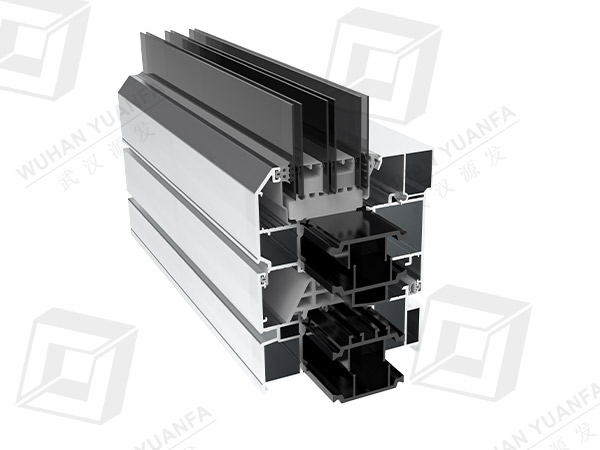
Different window styles demand unique hardware capabilities. Advanced polymers adapt seamlessly across diverse opening mechanisms. They provide consistent performance where traditional materials fail.
Tilt-and-turn windows feature complex, multi-directional hardware configurations. The sash must swing inward and tilt from the top. This complexity requires flawless mechanical transmission. Polyamide operating rods facilitate this smooth actuation. They navigate intricate corners without track binding. The self-lubricating nature of nylon prevents annoying sticking. You get effortless operation every single time. Users notice this premium feel immediately.
These windows hinge securely at the side or top. They face severe external wind loads during storms. The locking hardware must secure the sash tightly. It pulls the frame against the weather stripping. The rods transfer motion from the handle to the locking points. Polyamide handles this mechanical stress securely. It maintains strict dimensional stability under pressure. The lock engages firmly, perfectly sealing the building envelope. This tight seal prevents drafts and moisture intrusion.
Heavy sash weights dominate sliding and folding systems. Hardware experiences intense, repetitive friction and wear. Polyamide acts as a continuous, low-friction transmission bar. It resists high-wear environments effortlessly. The polymer handles the massive vertical and horizontal loads. It prevents the track degradation often seen in metal systems. Large architectural doors operate smoothly for decades. This reliability reduces costly warranty callbacks for manufacturers.
Engineers must assess several critical performance metrics carefully. Material choices directly impact long-term window longevity. You need specific testing data before specifying any component.
Tensile strength and structural rigidity remain paramount concerns. Manufacturers typically compare unfilled PA to glass-fiber reinforced PA. Unfilled nylon offers excellent flexibility and impact resistance. However, window hardware usually requires rigid, unyielding support. Glass-fiber reinforcement boosts tensile strength significantly. Extruders often use a 25% to 30% glass fill ratio. This reinforcement handles heavy sash actuation easily. It prevents the rod from buckling under compressive forces.
Thermal conductivity metrics also matter tremendously. Aluminum frames conduct heat rapidly. Integrating polyamide creates an effective thermal break. It blocks heat transfer through the internal locking mechanism. This improves the overall energy efficiency of the window unit. Thermal imaging often highlights standard metal hardware as cold spots. Polyamide eliminates these visible energy leaks completely.
Performance Metric | Standard Aluminum Rods | Glass-Fiber Reinforced PA66 |
|---|---|---|
Thermal Conductivity | High (~205 W/m·K) | Very Low (~0.25 W/m·K) |
Friction Factor | High (Requires frequent lubrication) | Low (Self-lubricating properties) |
Corrosion Vulnerability | High (Oxidation prone in moisture) | Zero (Immune to oxidation) |
Structural Rigidity | Extremely High | High (Optimized for fenestration) |
Hardware lifespan depends heavily on friction reduction. Nylon possesses natural self-lubricating chemical properties. It eliminates metal-on-metal scratching entirely. This drastically reduces the operational force required. Users experience a premium, smooth handle turn every time. Furthermore, mitigating long-term wear in nylon tracks ensures fewer field failures. Hardware cycles hundreds of thousands of times. Polyamide survives these cycle tests without shedding material.
Exterior windows endure brutal environmental conditions constantly. Components face extreme temperature fluctuations throughout the seasons. They must resist aggressive UV degradation from sunlight. Moreover, moisture absorption remains a known variable in standard nylons. Nylon is a hygroscopic material. It naturally absorbs water from the surrounding air. High-quality compounds account for this chemical reality. They maintain tight dimensional stability despite moisture variations. Manufacturers tweak the polymer matrix to resist excessive swelling.
Theory is useless without precise manufacturing execution. Actual implementation requires strict dimensional control. Extrusion quality dictates your hardware success.
The manufacturing quality of extruded polyamide operating rods dictates hardware compatibility. High-performance fenestration relies on exact hardware fits. Poor tolerances lead to immediate track jamming. If a rod expands beyond acceptable limits, it binds. It wedges tightly into the aluminum channel. This creates frustrating operational failures on the job site.
Design complexities compound this extrusion issue. Engineers must integrate connection points directly into the extruded profile. Locking cams and handle gears must align perfectly. You cannot afford dimensional variance in these slots. Complex geometries require advanced, precision extrusion dies. Only experienced extruders can hold these tight tolerances consistently. Minor deviations ruin the entire locking sequence.
Adoption risks exist for inexperienced buyers. Standard polyamides absorb moisture unpredictably. Improperly formulated plastics swell significantly. This alters critical dimensions and causes sticking. You must demand proper material conditioning from suppliers. Quality manufacturers condition their profiles before shipping them out. They expose the extrusions to controlled humidity chambers. This step stabilizes the moisture content entirely. The rod reaches equilibrium. Dimensional shifting stops before the component enters your assembly line.
Specify glass-fiber reinforced PA66 for maximum structural rigidity.
Request conditioned profiles to prevent post-installation swelling.
Verify dimensional tolerances matching strict Euro-groove standards.
Avoid using standard consumer-grade plastics for structural transmission.
Sourcing reliable components requires strict due diligence. You must audit potential suppliers rigorously. A structured decision framework prevents costly mistakes.
Never accept generic or unbranded materials. Request detailed spec sheets and raw material data. You must verify the specific PA66 thermal properties. Ask for the Material Safety Data Sheet (MSDS). Confirm the exact percentage of glass-fiber reinforcement. Transparency here prevents long-term durability issues.
Assess your partner’s actual production floor capabilities. Can they handle custom multi-cavity extrusion dies? High-volume production demands robust infrastructure. They must demonstrate a proven track record. Supplying fenestration-grade profiles requires highly specialized expertise. General plastics manufacturers often struggle with these tight tolerances.
Look for hard evidence of rigorous testing. Manufacturers must validate their components. Cycle testing proves long-term durability under repetitive handle actuation. Dimensional checks ensure the profile matches CAD drawings perfectly. Extreme temperature testing validates performance in freezing winters and scorching summers.
Do not jump into full-scale rollouts immediately. Request prototype runs first. Ask for physical sample profiles. Perform CAD compatibility checks inside your window sash. Test the actuation force yourself in a mockup.
Skipping the moisture conditioning phase during procurement.
Failing to match the polyamide profile to the exact Euro-groove dimension.
Selecting unfilled nylon for heavy-duty sash applications.
Ignoring UV resistance ratings for externally exposed hardware.
Specifying these advanced components requires a careful balance. You must weigh thermal efficiency against mechanical reliability. Precision matters immensely in modern window manufacturing. Advanced polymers offer incredible benefits over traditional metals. They eliminate thermal bridging effectively. They stop track scratching completely. They provide long-lasting, smooth operation for end users. However, successful deployment relies heavily on your supply chain. You must partner with extruders who understand tight fenestration tolerances. Sloppy manufacturing ruins great material science. We recommend taking action today. Encourage your engineers to review updated technical data sheets. Reach out to specialists and request custom extrusion consultations. Optimize your hardware and elevate your window systems.
A: Standard plastics often lack necessary tensile strength. They warp under mechanical load. They also degrade quickly from UV exposure. Polyamide, specifically PA66, is an engineering-grade polymer. It offers exceptional thermal stability and structural rigidity. Glass-fiber reinforcement adds even more strength. This prevents the bending and breaking common in basic plastics.
A: Yes, they often serve as direct drop-in replacements. Manufacturers design these profiles to match standard hardware slots and Euro-grooves. Retrofit capabilities depend on the exact profile matching. You must verify the dimensions. Once matched, they seamlessly replace aluminum, instantly improving the thermal break of the existing sash.
A: No. Polyamide PA66 features inherent self-lubricating properties. It offers a very low friction coefficient. Unlike metal components, it does not require grease or oil to prevent track binding. This significantly reduces maintenance expectations. It eliminates the mess of lubricants while preventing metal-on-metal scratching.
A: Polyamide is naturally hygroscopic. It absorbs moisture from the environment. This absorption can cause slight dimensional expansion. However, premium manufacturers engineer dimensional stability to account for it. They pre-condition the profiles. They also use glass-fiber reinforcement. This stabilizes the material, ensuring it operates smoothly without jamming.


