

close
Choose Your Site
Global
Social Media

Author: Site Editor Publish Time: 2026-01-23 Origin: Site
In today's world of construction, energy efficiency has become a central focus, and materials that contribute to reducing energy consumption are highly sought after. One such material is Thermal Insulation Polyamide Profiles. These profiles play a crucial role in enhancing building energy efficiency, promoting sustainable practices, and meeting green building standards. In this article, we will explore the key aspects of thermal insulation polyamide profiles, their benefits, applications, and their role in the future of construction.
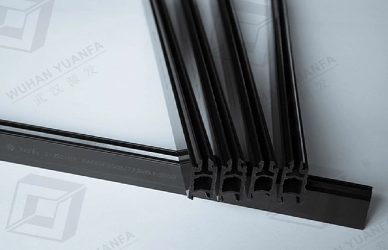
Thermal Insulation Polyamide Profiles are specialized materials designed to reduce heat transfer between different components of a building. These profiles are primarily made from polyamide (nylon) compounds that are reinforced with glass fibers, providing them with superior thermal insulation properties and mechanical strength. The primary function of these profiles is to serve as a thermal break, interrupting the flow of heat between two conductive materials, such as the metal frames of windows and doors.
These profiles come in various shapes and sizes, designed to fit different building applications, including window frames, curtain walls, and facades. The incorporation of glass fibers enhances the overall mechanical strength of the material, making it suitable for a wide range of applications in both residential and commercial buildings.
Thermal insulation polyamide profiles work by creating a barrier that separates the conductive components of a building, like metal window frames or aluminum curtain walls, from the insulating components. This thermal break minimizes the heat transfer between the inside and outside of the building, thus improving thermal efficiency and reducing energy consumption.
For example, in a window system, polyamide profiles are placed between the inner and outer metal components, preventing heat from passing through the metal frame. This results in a more stable indoor temperature, reducing the need for heating or cooling, and ultimately saving energy.
Thermal insulation polyamide profiles provide numerous benefits that directly contribute to energy savings and enhanced building performance. These advantages include:
Enhanced Energy Efficiency: By preventing heat transfer, they help maintain a comfortable indoor climate and reduce the need for heating or air conditioning.
Improved Comfort: They contribute to maintaining consistent indoor temperatures, improving comfort for building occupants.
Cost Savings: Energy savings directly translate into reduced utility bills, making them a cost-effective investment for building owners.
Thermal insulation polyamide profiles are commonly used in window and facade systems. Windows are one of the largest sources of heat loss in buildings, and improving their insulation is critical to enhancing energy efficiency. Polyamide profiles serve as thermal breaks in these systems, preventing heat from escaping during the winter and reducing the amount of heat entering during the summer.
Application Area | Benefit | Example Use Case |
Windows | Reduces heat transfer, enhances insulation | Polyamide profiles in window frames improve thermal efficiency |
Facades | Minimizes thermal loss, maintains comfort | Used in curtain walls to create a thermal barrier between exterior and interior |
In curtain walls, polyamide profiles help reduce energy consumption by blocking heat transfer, contributing to a building's overall energy efficiency. By ensuring that the temperature inside the building remains consistent, the use of these profiles in window and facade systems significantly contributes to energy savings.
Beyond windows and facades, thermal insulation polyamide profiles are used in a variety of other building applications, such as:
Door Frames: Polyamide profiles are used to reduce heat loss in metal door frames.
Building Insulation: In some construction projects, these profiles are used to improve insulation around doors, windows, and other openings.
The primary advantage of thermal insulation polyamide profiles is their superior thermal performance. They significantly reduce the amount of heat that passes through building components, helping to maintain a stable indoor environment. This is crucial in reducing the need for air conditioning and heating, leading to lower energy bills and improved building efficiency.
The effectiveness of thermal insulation polyamide profiles in reducing heat transfer can be illustrated in the following table, comparing heat transfer rates of different materials:
Material | Heat Transfer Rate (W/m²K) | Suitable Applications |
Aluminum | 200-250 | Window frames, curtain walls |
Polyamide (with glass fibers) | 20-30 | Thermal insulation profiles |
Wood | 30-40 | Doors, windows |
Polyamide profiles, due to their low heat transfer rate, provide a much more effective thermal barrier than traditional materials like aluminum or wood. As a result, they are a preferred choice for modern construction projects aimed at improving energy efficiency.
Thermal insulation polyamide profiles contribute to sustainability by reducing the energy consumption of buildings. Buildings are responsible for a significant portion of global energy use, and materials that reduce energy consumption directly contribute to lower carbon footprints. Polyamide profiles help reduce the need for mechanical heating and cooling systems, lowering energy consumption and reducing greenhouse gas emissions.
In addition, polyamide profiles are made from recyclable materials, further enhancing their eco-friendly characteristics. This makes them an ideal choice for green building projects looking to meet sustainability goals.
Another significant benefit of thermal insulation polyamide profiles is their durability. Polyamide is a robust material, resistant to wear and tear, and can withstand various environmental conditions. It maintains its performance over time, even in extreme weather conditions, making it suitable for long-term use in both commercial and residential buildings.
The role of thermal insulation polyamide profiles in meeting green building standards is crucial in today’s environmentally conscious construction industry. These profiles are key components in achieving LEED (Leadership in Energy and Environmental Design) certification, which is awarded to buildings that meet stringent energy and environmental performance criteria. The profiles help buildings improve thermal efficiency by acting as an effective thermal break, reducing the transfer of heat through building materials such as metal window frames or curtain walls.
By significantly improving thermal efficiency, thermal insulation polyamide profiles help buildings meet the energy efficiency requirements set by regulatory authorities. These profiles help reduce the dependency on external heating and cooling systems, making buildings more energy-efficient, which is a critical factor in green building certification.
In addition to LEED, thermal insulation polyamide profiles are also beneficial for achieving other green building certifications such as BREEAM (Building Research Establishment Environmental Assessment Method) and Green Star. These certifications emphasize reducing a building's carbon footprint, improving indoor air quality, and increasing energy efficiency, all of which can be supported by the use of these profiles in building designs.
Certification | Criteria Supported | How Thermal Insulation Profiles Contribute |
LEED | Energy Efficiency, Thermal Comfort | Improves energy efficiency and helps meet LEED’s energy criteria |
BREEAM | Environmental Impact, Energy Use | Reduces energy consumption, thus lowering environmental impact |
Green Star | Sustainable Design, Resource Efficiency | Helps reduce the need for mechanical heating/cooling systems |
Incorporating thermal insulation polyamide profiles into a building design can help significantly reduce the carbon footprint of the building. These profiles play a vital role in reducing the need for heating and air conditioning systems, which are typically responsible for high energy consumption and carbon emissions. Since they limit the amount of heat that enters or escapes the building, less energy is required to regulate the indoor temperature, leading to a reduction in overall energy consumption.
By reducing the demand for energy-intensive cooling and heating systems, thermal insulation polyamide profiles contribute to energy savings and a lower environmental impact. The reduced energy consumption means fewer carbon emissions associated with energy production, aligning with global goals to reduce greenhouse gas emissions and mitigate climate change.
The benefits of incorporating thermal insulation polyamide profiles extend beyond individual buildings. They contribute to the broader goal of creating low-carbon and sustainable communities, where energy consumption is minimized, and the carbon footprint is reduced. Furthermore, as these profiles are made from recyclable materials, they also contribute to the circular economy by promoting the reuse and recycling of resources. This makes them an ideal choice for builders seeking to adhere to green building principles and contribute to environmental sustainability.
Impact Area | Contribution of Thermal Insulation Profiles | Outcome for Carbon Footprint |
Energy Consumption | Reduces the need for heating and cooling | Less energy use means lower carbon emissions |
Building Efficiency | Improves thermal performance and insulation | Optimizes energy efficiency, reducing overall carbon output |
Recyclability | Made from recyclable materials | Promotes circular economy, minimizing environmental impact |
By implementing these profiles, buildings can reduce their energy consumption, lower their carbon footprint, and contribute to a more sustainable built environment. These factors are increasingly important as governments and regulatory bodies set more ambitious sustainability goals and push for greener construction practices across the industry.
As energy efficiency continues to be a primary concern in the construction industry, the demand for materials like thermal insulation polyamide profiles is expected to grow. The construction sector is increasingly focusing on green building practices, and thermal insulation polyamide profiles are at the forefront of this movement. With more builders and developers seeking sustainable materials, the market for polyamide profiles is expected to expand significantly in the coming years.
The technology behind thermal insulation polyamide profiles is continuously evolving. Future developments may include:
Improved insulation properties: Innovations in the composition and structure of polyamide profiles may lead to even better thermal performance.
Advanced manufacturing processes: More efficient manufacturing methods could make polyamide profiles even more affordable and accessible for large-scale construction projects.
Thermal Insulation Polyamide Profiles are materials designed to reduce heat transfer in buildings, enhancing energy efficiency by serving as a thermal break between two conductive materials.
These profiles prevent heat from escaping or entering the building, maintaining a consistent indoor temperature, and reducing the need for heating and cooling systems.
Benefits include improved thermal performance, reduced energy consumption, lower carbon footprint, enhanced durability, and compliance with green building standards.
Yes, they can be used in residential, commercial, and industrial buildings, particularly in window systems, facades, and curtain walls.
Thermal insulation polyamide profiles are a key component in modern construction, playing a vital role in improving energy efficiency, reducing energy consumption, and contributing to sustainable building practices. Their ability to reduce heat transfer makes them ideal for use in windows, facades, and other building components. As the demand for energy-efficient and environmentally-friendly buildings increases, thermal insulation polyamide profiles will continue to be a critical material in the construction industry.
These profiles not only provide superior thermal performance but also help buildings meet green building standards, reduce carbon footprints, and contribute to long-term sustainability. With ongoing innovations in material technology, thermal insulation polyamide profiles will play an even more significant role in the future of energy-efficient construction.


