

close
Choose Your Site
Global
Social Media

Author: Site Editor Publish Time: 2026-01-26 Origin: Site
In construction, insulation materials play a vital role in enhancing energy efficiency by controlling heat transfer between the interior and exterior of a building. Traditional insulation materials such as fiberglass, foam, and polystyrene have been widely used for decades. While these materials offer some degree of thermal protection, they often fall short in terms of long-term performance, sustainability, and efficiency.
Thermal insulation polyamide profiles, however, represent a significant advancement over conventional materials. Made from high-performance polyamide (nylon) compounds reinforced with glass fibers, these profiles are specifically designed to serve as thermal breaks in construction. They effectively minimize heat transfer, offering superior insulation compared to traditional materials. In addition to providing exceptional thermal efficiency, thermal insulation polyamide profiles are durable, lightweight, and environmentally friendly, making them the ideal solution for modern energy-efficient building designs. These profiles not only contribute to reducing energy consumption but also help buildings meet stringent green building standards, further solidifying their position as a cutting-edge alternative to traditional insulation materials.
Thermal insulation polyamide profiles are materials made from polyamide (nylon) and glass fibers, designed to reduce heat transfer between building components. Their primary function is to act as a thermal break, preventing heat loss or gain by creating a barrier between conductive materials like metal window frames or curtain walls. They are commonly used in windows, facades, doors, and other structures to improve energy efficiency.
Superior Thermal Insulation
Polyamide profiles provide better thermal performance than fiberglass and foam, improving energy efficiency.
Durability and Strength
Reinforced with glass fibers, they are more durable and resistant to moisture and UV rays.
Lightweight and Strong
These profiles are lightweight yet strong, making them easy to handle and install.
Environmental Resistance
Polyamide is resistant to moisture, extreme temperatures, and wear.
Recyclability and Sustainability
Made from recyclable materials, they offer a more eco-friendly solution than traditional materials.
Long-Term Cost Efficiency
Despite a higher initial cost, they offer long-term energy savings, making them cost-effective for energy-efficient buildings.
Thermal insulation polyamide profiles offer several significant advantages over traditional materials like fiberglass, foam, and polystyrene, especially in terms of energy efficiency, durability, and sustainability.
Polyamide profiles have low thermal conductivity, offering better insulation compared to traditional materials. This results in improved energy efficiency by reducing heat transfer, which helps maintain a stable indoor temperature.
Material | Thermal Conductivity (W/m·K) | Energy Efficiency |
Polyamide Profiles | 0.2-0.3 | High |
Fiberglass | 0.04-0.05 | Moderate |
Foam | 0.03-0.04 | Moderate |
Polystyrene | 0.033-0.035 | Moderate |
Polyamide profiles outperform fiberglass and foam, ensuring better insulation and lower energy costs.
Polyamide profiles are more durable than traditional materials. Unlike fiberglass and foam, which can degrade due to moisture, UV radiation, and temperature changes, polyamide profiles maintain their structural integrity over time. This ensures longer-lasting performance and reduces the need for replacements.
Polyamide profiles are recyclable and made from more sustainable materials, unlike foam and polystyrene, which are challenging to recycle and made from non-renewable resources. This makes polyamide profiles an environmentally-friendly option, supporting green building certifications like LEED and BREEAM.
Polyamide profiles are resistant to moisture and extreme weather, unlike fiberglass, which can absorb water and lose insulation properties. Polyamide's resistance to UV rays and weather conditions ensures consistent performance throughout the life of the building.
Thermal insulation polyamide profiles effectively reduce heat transfer between the interior and exterior of a building. Made from polyamide (nylon) and glass fibers, these profiles act as a thermal break, preventing heat flow through conductive materials like metal frames, windows, and curtain walls.
By placing these profiles between two conductive components, such as window or curtain wall frames, the profiles block heat from escaping in winter or entering in summer, maintaining a stable indoor temperature. This reduces the reliance on heating or cooling systems, leading to lower energy consumption.
Polyamide profiles work by creating an insulating barrier with low thermal conductivity, preventing heat transfer. Their unique composition ensures that materials like metal frames—known for high heat conductivity—are separated from the interior space, improving energy efficiency.
Material | Thermal Conductivity (W/m·K) | Function in Energy Efficiency |
Polyamide Profiles | 0.2-0.3 | Superior thermal break |
Aluminum/Steel Frames | 200-250 | High conductivity, heat loss |
Fiberglass | 0.04-0.05 | Moderate insulation |
Polyamide profiles have significantly lower thermal conductivity than traditional materials like aluminum or steel, making them much more effective at insulating and reducing heat loss.
Using thermal insulation polyamide profiles leads to notable reductions in building energy consumption. By preventing heat transfer, the need for heating and cooling systems is reduced, which lowers energy use and costs. This results in:
Reduced Heating and Cooling Needs: Less dependence on HVAC systems.
Lower Energy Bills: Energy savings due to improved insulation.
Smaller Carbon Footprint: Reduced energy consumption translates to fewer carbon emissions.
In regions with extreme seasonal temperatures, buildings with polyamide profiles see significant energy savings, improving sustainability while enhancing occupant comfort and air quality.
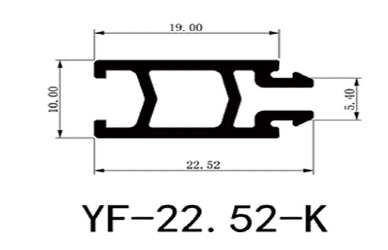
Thermal insulation polyamide profiles are widely used in windows, facades, and curtain walls in modern construction, offering key advantages in energy efficiency and sustainability.
Polyamide profiles are used in window frames to create a thermal barrier between the inner and outer metal components. This prevents heat loss in winter and heat gain in summer, ensuring stable indoor temperatures and reducing the need for heating and cooling.
In facades and curtain walls, polyamide profiles act as a thermal break between the metal frames, preventing heat transfer. This is crucial for large buildings with extensive glass and metal exteriors, improving insulation and reducing energy loss.
Application Area | Function | Benefits |
Windows | Thermal break between metal frames | Reduces heat transfer, enhances indoor comfort |
Facades | Prevents heat loss and gain in external walls | Contributes to overall energy savings |
Curtain Walls | Thermal break between metal components | Enhances insulation, reduces HVAC dependence |
Polyamide profiles help create energy-efficient buildings by reducing heating and cooling needs:
Improved Thermal Performance: They reduce heat transfer, lessening reliance on HVAC systems.
Lower Energy Costs: Stable temperatures mean reduced energy consumption and lower bills.
Sustainability: These profiles help buildings meet green certifications like LEED, BREEAM, and Green Star.
Comfort: They maintain a comfortable indoor environment with minimal energy use.
Thermal insulation polyamide profiles may have higher upfront costs compared to traditional insulation materials, but they offer significant long-term savings through reduced energy consumption and improved thermal performance.
Polyamide profiles improve a building’s thermal efficiency, reducing the need for heating and cooling systems. This directly lowers energy bills, as HVAC systems operate less frequently. Buildings with polyamide profiles can experience a 20-40% reduction in energy consumption, depending on various factors like climate and building size.
Though polyamide profiles are more expensive initially, their long-term benefits far outweigh the upfront costs. Here’s a comparison:
Material | Upfront Cost | Long-Term Savings | Energy Savings (per year) |
Polyamide Profiles | Higher initial cost | Significant savings on energy bills | 20-40% reduction in energy use |
Fiberglass | Lower initial cost | Higher long-term energy costs | 5-10% reduction in energy use |
Foam | Moderate initial cost | Moderate savings | 10-20% reduction in energy use |
Polystyrene | Low initial cost | Lower energy efficiency | 5-15% reduction in energy use |
Polyamide profiles, while more expensive initially, lead to greater energy savings and reduced operational costs over time.
In addition to energy savings, polyamide profiles offer lower maintenance costs due to their durability and resistance to weathering, unlike foam or fiberglass, which may degrade and require replacement.
Thermal insulation polyamide profiles offer key sustainability and environmental benefits. Their superior thermal efficiency and low environmental impact make them ideal for modern, energy-efficient buildings.
Polyamide profiles help buildings earn green certifications like LEED, BREEAM, and Green Star by improving energy efficiency and reducing environmental impact. By reducing heating and cooling needs, they lower energy consumption and carbon emissions, supporting sustainable construction and indoor comfort.
These profiles also lower a building's carbon footprint by reducing energy use, leading to fewer carbon emissions. Made from recyclable materials, polyamide profiles are a more eco-friendly choice compared to traditional materials like foam, which are harder to recycle and contribute to waste.
By promoting energy efficiency and recycling, polyamide profiles support a circular economy and help reduce construction waste.
Thermal insulation polyamide profiles have superior thermal efficiency, reduced heat transfer, and greater durability compared to traditional materials like fiberglass and foam.
Yes, although the initial cost may be higher, they offer significant long-term savings due to their energy-saving properties and durability.
These profiles help meet energy efficiency regulations, reduce energy consumption, and lower the carbon footprint, making them ideal for green building certifications.
Yes, they are versatile and suitable for both residential and commercial buildings, especially in windows, facades, and curtain walls.
Thermal insulation polyamide profiles outperform traditional insulation materials due to their superior thermal efficiency, durability, and sustainability. Unlike materials like fiberglass, foam, and polystyrene, polyamide profiles provide better thermal insulation, significantly reducing heat transfer and improving energy efficiency. They also offer enhanced strength and resistance to environmental factors such as moisture and UV exposure, ensuring long-lasting performance without degradation. Additionally, polyamide profiles are made from recyclable materials, contributing to a reduced carbon footprint and supporting green building standards. Overall, their ability to lower energy consumption, reduce maintenance costs, and promote sustainability makes them a highly effective and eco-friendly alternative to traditional insulation materials.


