

close
Choose Your Site
Global
Social Media

Author: Site Editor Publish Time: 2025-11-05 Origin: Site
Did you know that aluminum doors and windows can lose significant energy without proper insulation? Polyamide insulating profiles are the key to enhancing their efficiency. These profiles act as thermal barriers, reducing energy loss and improving comfort. In this article, you'll learn about polyamide's role in boosting energy efficiency and its advantages in aluminum construction.
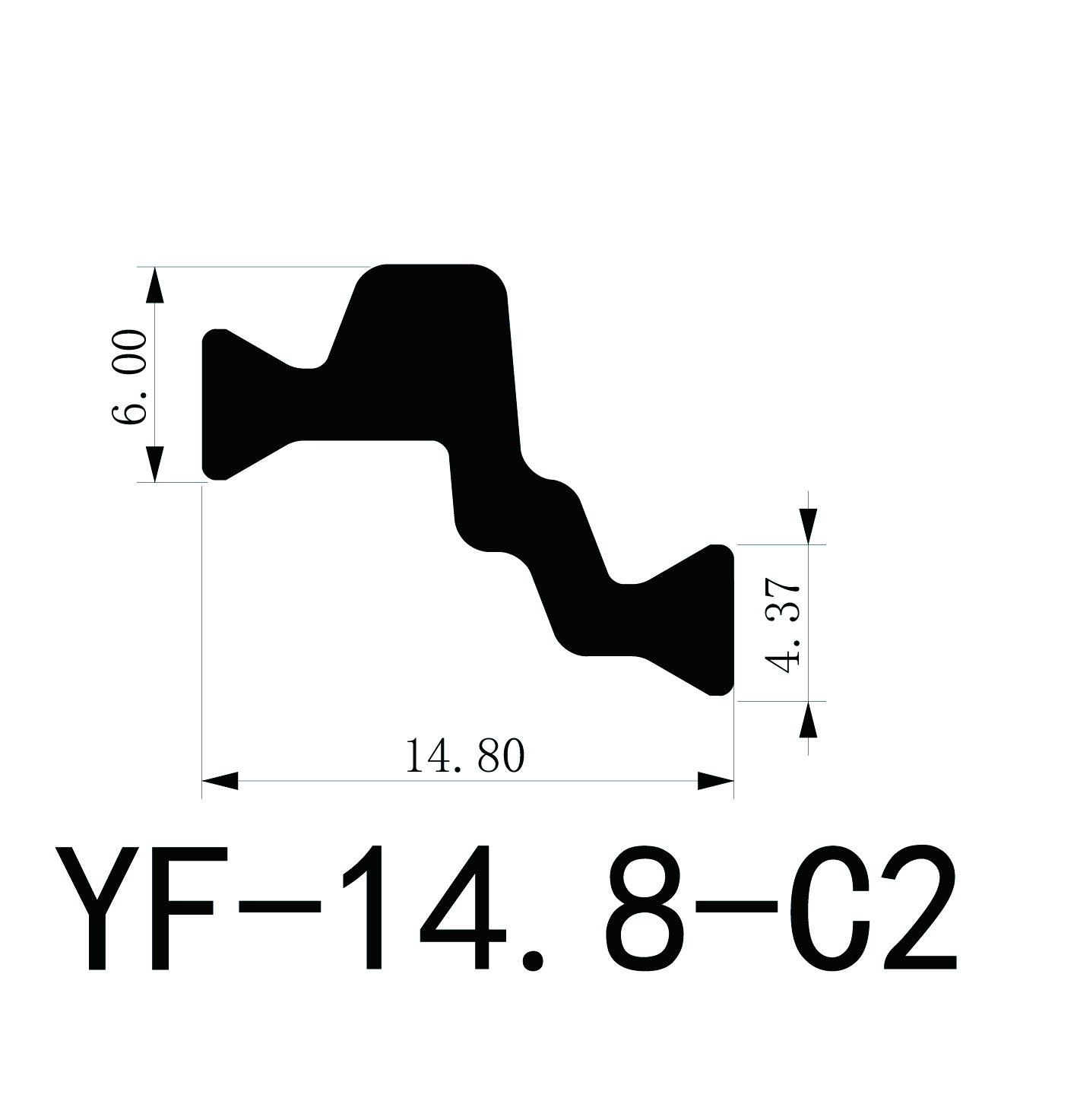
Polyamide insulating profiles are specially engineered plastic strips used in aluminum doors and windows. Their main role is to act as a thermal barrier between the inside and outside aluminum sections. Aluminum is strong and durable but conducts heat easily, which can cause energy loss. Polyamide strips interrupt this heat flow, reducing thermal bridging and improving energy efficiency.
These profiles are inserted between two aluminum parts, creating a break in the metal’s continuous path. This break helps keep indoor temperatures stable by preventing heat from escaping during winter or entering during summer. The result is a window or door that helps maintain a comfortable indoor climate and lowers energy bills.
Polyamide, also known as nylon, is a synthetic polymer made from benzene derivatives. It has several properties that make it ideal for insulating profiles:
Low Thermal Conductivity: Polyamide insulates about 500 times better than aluminum, drastically cutting heat transfer.
High Dimensional Stability: It expands and contracts very little under temperature changes, keeping the profile strong and intact.
Temperature Resistance: It withstands extreme cold and heat without losing strength or shape.
Durability: Polyamide resists wear and tear, ensuring long-lasting performance in window and door frames.
Recyclability: It is 100% recyclable, supporting sustainable building practices.
Color Flexibility: It allows different colors on the inside and outside of the profile, enhancing architectural design options.
Because of these properties, polyamide insulating profiles combine the strength and recyclability of aluminum with excellent thermal insulation, making them a smart choice for modern construction.
Polyamide insulating profiles dramatically improve thermal insulation in aluminum doors and windows. Aluminum, while strong and lightweight, conducts heat easily, causing energy loss. Polyamide acts as a thermal break, reducing heat flow between the inside and outside aluminum parts. It insulates about 500 times better than aluminum itself, cutting down heat transfer significantly. This means warmer interiors during cold months and cooler spaces in summer, leading to better indoor comfort and lower energy bills.
Polyamide is highly durable, resisting wear and tear over long periods. It maintains dimensional stability even when exposed to extreme temperatures, expanding or contracting very little. This stability ensures the insulating profile remains intact and effective, avoiding gaps or cracks that might reduce insulation. Its resistance to UV rays and weather conditions also means polyamide profiles last longer without degrading, making them a cost-effective choice for aluminum windows and doors.
Polyamide shares aluminum’s eco-friendly qualities by being 100% recyclable. Using polyamide insulating profiles supports sustainable building practices by reducing waste and promoting reuse. Additionally, polyamide’s long lifespan means fewer replacements, which lowers environmental impact over time. Its production involves specialized processes but results in a material that balances performance and sustainability. Choosing polyamide helps reduce a building’s carbon footprint while maintaining high energy efficiency.
Tip: When selecting insulating profiles, prioritize polyamide for its superior thermal performance and long-term durability, ensuring both energy savings and sustainable building practices.
Polyamide stands out among insulating materials like ABS, Noryl, and PVC when used in aluminum door and window profiles. While ABS and Noryl offer some thermal break capabilities, they fall short compared to polyamide’s superior performance. PVC, commonly used for insulation, provides decent thermal resistance but lacks the mechanical strength and temperature stability polyamide delivers.
Polyamide’s molecular structure grants it exceptional durability and resistance to heat and cold. This means it maintains its shape and insulating properties over time, even under extreme weather conditions. ABS and Noryl tend to degrade faster under UV exposure and temperature fluctuations, risking cracks or warping. PVC can become brittle over time, especially in colder climates.
Moreover, polyamide allows different colors on the inside and outside of the profile, a feature less achievable with ABS, Noryl, or PVC. This flexibility supports architectural creativity and aesthetic appeal.
Thermal conductivity measures how well a material transfers heat. Lower values mean better insulation. Polyamide’s thermal conductivity is about 0.25 W/mK, which is significantly lower than aluminum’s 237 W/mK. Compared to ABS (around 0.2 W/mK) and PVC (about 0.14 W/mK), polyamide is competitive but offers better mechanical properties.
Polyamide insulating profiles reduce heat transfer up to 500 times compared to aluminum alone. This drastic reduction minimizes thermal bridging, which is crucial for maintaining indoor comfort and reducing energy consumption.
Noryl, a blend of polyphenylene oxide and polystyrene, has moderate thermal resistance but cannot match polyamide’s durability or recyclability. PVC offers good insulation but lacks the same long-term stability and strength.
Upfront costs for polyamide insulating profiles can be higher than ABS, Noryl, or PVC options. However, polyamide’s longevity and superior insulation translate into long-term savings. Reduced energy bills from better thermal breaks offset initial investments, making polyamide profiles cost-effective over a building’s lifespan.
Polyamide’s durability means fewer replacements and repairs, lowering maintenance costs. Its recyclability aligns with green building standards, potentially qualifying projects for sustainability certifications and incentives.
In contrast, ABS and Noryl may require more frequent replacement, increasing lifecycle costs. PVC’s lower strength can lead to structural issues, affecting overall performance and expenses.
Tip: Choose polyamide insulating profiles for aluminum doors and windows to balance excellent thermal performance, durability, and long-term savings, even if initial costs are higher.
Manufacturing polyamide insulating profiles for aluminum doors and windows involves several precise steps to ensure quality and performance. The process usually includes:
Knurling: This first step roughens the aluminum surfaces where the polyamide strip will be inserted. It improves adhesion between aluminum and polyamide, preventing separation over time.
Strip Insertion: Next, the polyamide strip is placed between the two aluminum profiles. This strip acts as the thermal break, interrupting heat flow through the metal.
Crimping: Finally, the aluminum profiles and polyamide strip are mechanically joined through crimping. This step ensures a strong, permanent bond that maintains structural integrity.
Traditionally, these steps require separate machines, which can slow production and risk inconsistencies.
Aluroller EVO revolutionizes this process by combining knurling, strip insertion, and crimping into a single smooth operation. This 3-in-1 machine offers several advantages:
Speed: Completing all three steps in one motion significantly reduces production time.
Quality: Continuous operation minimizes errors and ensures a consistent bond between polyamide and aluminum.
Cost Efficiency: Faster production lowers labor and machine costs, benefiting manufacturers and customers alike.
Material Testing: Polyamide strips undergo tests for thermal conductivity, tensile strength, and temperature resistance.
Dimensional Checks: Profiles are measured to ensure precise fit and consistent thickness of the polyamide barrier.
Adhesion Tests: The bond between aluminum and polyamide is checked to prevent delamination.
Visual Inspection: Profiles are examined for defects like cracks, voids, or uneven surfaces.
Performance Validation: Finished profiles may be tested under simulated weather conditions to confirm thermal and mechanical properties.
These measures ensure every insulating profile meets industry standards, providing reliable thermal breaks that improve energy efficiency and durability in aluminum doors and windows.
Polyamide insulating profiles offer remarkable flexibility in color choices. Unlike many insulating materials, polyamide allows manufacturers to produce profiles with different colors on the inside and outside surfaces. This feature lets architects and designers match interior décor separately from exterior building façades. For example, the exterior side can have a color that complements the building’s style, while the interior side can blend with room colors or wood finishes. This dual-color capability enhances the visual appeal of aluminum doors and windows without sacrificing performance.
Besides color, polyamide profiles can be extruded or coated in various textures and finishes. Matte, glossy, or satin surfaces are possible, allowing further customization. This versatility supports a wide range of architectural styles, from modern minimalism to classic elegance.
Using polyamide insulating profiles significantly improves the look of aluminum doors and windows. Aluminum’s natural metallic sheen can sometimes appear cold or industrial. Polyamide breaks this monotony by enabling color variation and smoother finishes. Architects can design frames that complement glass and wall materials, creating harmonious building envelopes.
Moreover, polyamide profiles help maintain clean lines and tight joints. Their dimensional stability prevents warping or deformation, which keeps the frames looking crisp over time. This reliability ensures the building maintains its aesthetic integrity even after years of exposure to sun, rain, or temperature changes.
The ability to customize colors and finishes also supports branding or thematic design for commercial buildings. Companies can integrate corporate colors into window frames, reinforcing identity while improving energy efficiency.
Polyamide insulating profiles are highly adaptable to bespoke designs. Manufacturers can tailor profile shapes, thicknesses, and colors to meet specific project requirements. This adaptability is crucial for unusual window shapes, curved frames, or specialized door designs.
Customization extends beyond color and shape. Polyamide can be combined with aluminum in multi-chamber profiles, enhancing insulation further while allowing creative architectural solutions. For instance, profiles can incorporate decorative grooves or patterns that add texture and depth to window frames.
Additionally, polyamide’s excellent mechanical properties allow for thinner profiles without compromising strength or insulation. This feature lets designers maximize glass area, increasing natural light and improving views while maintaining thermal performance.
This flexibility benefits both residential and commercial construction, supporting trends toward personalized, energy-efficient buildings.
Polyamide insulating profiles significantly reduce energy consumption in buildings featuring aluminum doors and windows. Aluminum alone conducts heat rapidly, causing indoor temperatures to fluctuate and forcing heating or cooling systems to work harder. The polyamide strips act as a thermal break, interrupting the heat flow between the inner and outer aluminum sections. This barrier keeps warm air inside during winter and blocks heat from entering during summer, stabilizing indoor temperatures.
By cutting thermal bridging, polyamide profiles help maintain a consistent indoor climate. This means less reliance on HVAC systems, which lowers overall energy use. For example, buildings using polyamide-insulated aluminum profiles can see energy savings of up to 30% compared to those with non-insulated frames (example data; actual savings vary by climate and building design).
Though polyamide insulating profiles may have a higher initial cost than traditional materials, they offer substantial financial benefits long term. The improved thermal insulation reduces heating and cooling expenses, generating monthly savings on energy bills. Over the lifespan of a building, these savings can offset the upfront investment many times over.
Moreover, polyamide’s durability means fewer repairs and replacements. Its resistance to temperature extremes and wear keeps the profiles intact and efficient for decades. This lowers maintenance costs and avoids expenses related to energy loss caused by degraded insulation.
In some regions, buildings with high-performance thermal breaks qualify for government incentives or green building certifications. These benefits can further reduce project costs or increase property value, making polyamide an economically smart choice.
Polyamide insulating profiles align well with sustainable construction goals. By enhancing energy efficiency, they reduce the carbon footprint of buildings. Lower energy consumption means fewer greenhouse gas emissions from power plants, contributing to climate change mitigation.
Additionally, polyamide is 100% recyclable, supporting circular economy principles. Its long lifespan means less frequent replacement and waste generation. Using polyamide profiles helps builders meet environmental standards and certifications such as LEED or BREEAM.
The combination of energy savings, durability, and recyclability makes polyamide insulating profiles a key component in creating greener, more sustainable buildings. They improve occupant comfort while reducing environmental impact.
Polyamide insulating profiles enhance aluminum doors and windows by improving thermal insulation and energy efficiency. They offer durability, recyclability, and design flexibility, making them ideal for sustainable construction. As building practices evolve, polyamide profiles will likely become standard in energy-efficient designs. Adopting these profiles can lead to significant long-term savings and environmental benefits. Yuanfa provides innovative solutions with polyamide insulating profiles, ensuring quality and performance in modern building projects.
A: They interrupt heat flow between aluminum sections, stabilizing indoor temperatures and reducing reliance on HVAC systems, thus lowering energy consumption.
A: Polyamide offers superior thermal insulation, durability, and recyclability compared to ABS, Noryl, and PVC, making it a cost-effective and sustainable choice.
A: While initially more expensive, they offer long-term savings through reduced energy bills and maintenance costs, offsetting upfront investments.


