

close
Choose Your Site
Global
Social Media

Author: Site Editor Publish Time: 2025-09-30 Origin: Site
Aluminum doors and windows are known for their durability, sleek design, and modern aesthetics. However, one of their inherent weaknesses is their high thermal conductivity, which can lead to energy inefficiency. During both winter and summer, aluminum conducts heat rapidly, resulting in temperature imbalances and energy loss. Thermal break strips provide an effective solution to this problem by reducing heat transfer, thus enhancing the energy efficiency of aluminum windows and doors. In this article, we will explore the essential benefits of thermal break strips, from energy savings and improved comfort to enhanced building durability. These strips play a crucial role in the design of energy-efficient buildings, making them an indispensable component for energy-conscious construction.
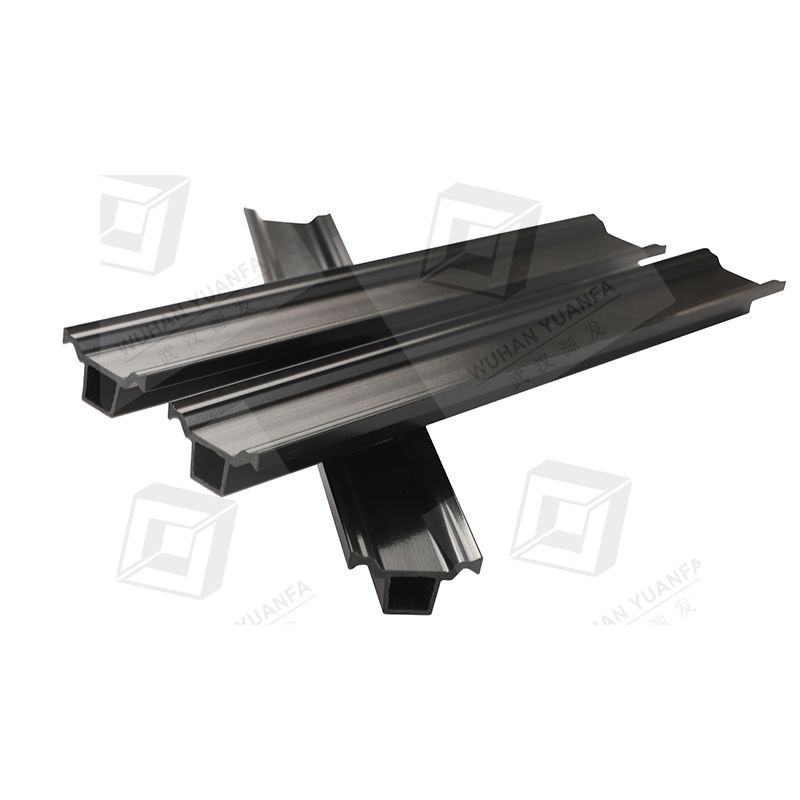
Aluminum, while strong and lightweight, is a poor insulator. It allows heat to flow freely, which means that in colder climates, the inside of aluminum windows and doors can become extremely cold, and in hotter climates, the heat from outside can easily penetrate. Thermal break strips are inserted into the aluminum frames of windows and doors to break this heat conduction. These strips are typically made from materials such as polyamide, PVC, or nylon. These materials have low thermal conductivity and act as barriers that reduce the flow of heat, preventing the temperature differences between the inside and outside environments from creating inefficiencies.
| Material | Thermal Conductivity | Properties |
|---|---|---|
| Polyamide | Low | High strength, durable, resistant to moisture |
| PVC | Low | Lightweight, cost-effective, resistant to environmental factors |
| Nylon | Low | Strong, flexible, excellent for insulation |
One of the key advantages of thermal break strips is their dual functionality, which is effective year-round. During winter, these strips help to keep the heat inside, reducing the need for additional heating. In contrast, during the summer months, they prevent excessive heat from entering the building, keeping the interior cool and comfortable. This dual-purpose insulation system helps maintain a stable indoor environment, which not only promotes energy conservation but also leads to long-term cost savings for building owners.
| Season | Thermal Break Function |
|---|---|
| Winter | Prevents heat from escaping the building |
| Summer | Prevents heat from entering the building |
The material used in the manufacturing of thermal break strips is critical to their effectiveness. Polyamide (nylon) is widely regarded as one of the best materials due to its high strength and excellent insulating properties. PVC and composite polymers, while also effective, may offer lower strength compared to polyamide but are still highly useful in many applications. These materials not only provide insulation but also resist environmental factors such as moisture and wear over time, ensuring that the thermal break strips maintain their performance throughout the lifespan of the building.
Tip: For optimal energy efficiency and durability, it is advisable to choose thermal break strips made from high-quality materials like polyamide.
One of the most significant benefits of thermal break strips is the potential for energy savings. By preventing the unwanted flow of heat through the aluminum frame, these strips reduce the need for heating in the winter and cooling in the summer. As a result, buildings with thermal break strips consume less energy, leading to lower utility bills and a more sustainable building design.
Aluminum frames without thermal break strips can lead to uncomfortable indoor conditions. For instance, during winter, the cold aluminum can cause a noticeable chill near windows and doors, negatively affecting the overall comfort of the room. By installing thermal break strips, the internal temperature of the frames is regulated, ensuring a more stable and comfortable indoor environment.
Condensation on window frames is a common issue, especially in buildings with aluminum frames. When warm, moist indoor air comes into contact with cold aluminum, water droplets form. Thermal break strips reduce the temperature fluctuation of the frame, keeping it closer to the indoor air temperature and thus preventing condensation. This is crucial in avoiding the growth of mold and maintaining the integrity of the building structure.
In addition to their thermal benefits, thermal break strips enhance the durability of aluminum frames by preventing thermal deformation. The material’s insulating properties also contribute to better acoustic insulation. By absorbing sound waves, these strips help reduce noise transmission from the outside, creating a quieter and more peaceful indoor environment. This is particularly beneficial in noisy urban areas or for buildings that require soundproofing.
| Benefit | With Thermal Break Strips | Without Thermal Break Strips |
|---|---|---|
| Noise Reduction | 30-40 dB improvement | Higher noise levels |
| Frame Durability | Increased durability | Potential for thermal deformation |
While aluminum is a popular material for doors and windows due to its strength and aesthetic appeal, it is also a poor insulator. The absence of thermal break strips can lead to significant energy losses, especially in extreme climates. By interrupting heat transfer, thermal break strips address the primary weakness of aluminum, ensuring that the material performs better in terms of energy conservation.
One of the greatest advantages of thermal break strips is their ability to allow architects to maintain the strength and durability of aluminum frames while improving their energy efficiency. These strips provide the best of both worlds: structural integrity and thermal insulation. They allow for the sleek, modern look of aluminum windows and doors without compromising on performance.
Tip: Incorporating thermal break strips into the design of energy-efficient buildings allows architects and designers to strike the perfect balance between strength and insulation.
As global standards for energy efficiency become more stringent, there is increasing pressure on the building industry to innovate. Thermal break technology is advancing to meet these challenges, with ongoing research focusing on developing materials that provide even better insulating properties, increased durability, and cost-effectiveness. New innovations are helping builders exceed energy efficiency targets while reducing operational carbon emissions.
Thermal break strips contribute significantly to sustainability by reducing energy consumption in buildings. The reduction in energy use helps lower carbon emissions, making these strips an environmentally friendly choice for modern buildings. Additionally, the materials used in thermal break strips, such as polyamide and PVC, are recyclable, contributing further to their eco-friendly profile.
Though the initial installation cost of thermal break strips may be higher than traditional window framing methods, their long-term benefits far outweigh the initial investment. Buildings with thermal break strips experience lower heating and cooling costs, leading to a quick return on investment. Moreover, the increased energy efficiency and improved insulation help reduce the overall operational costs of buildings.
Thermal break strips are a vital component for improving the performance of aluminum doors and windows. By reducing energy loss, enhancing indoor comfort, controlling condensation, and improving acoustic insulation, thermal break strips help achieve significant energy savings and create a more sustainable, comfortable building environment. Their long-term benefits, both economically and environmentally, make them an essential feature in modern construction.
When selecting thermal break strips, consider factors such as material quality, climate, and energy efficiency goals. Companies like Wuhan Yuanfa New Materials offer high-quality products designed to optimize energy performance and enhance the durability of building frames, making them a valuable investment for both residential and commercial projects.
A: Thermal break strips are materials inserted into aluminum frames to reduce heat transfer. They interrupt the conduction of heat, improving energy efficiency.
A: Thermal break strips enhance energy efficiency, reduce heating and cooling costs, and prevent condensation on frames, improving overall comfort.
A: Common materials include polyamide, PVC, and nylon, known for their low thermal conductivity and durability.
A: Yes, thermal break strips help reduce noise transmission by improving the acoustic insulation of aluminum frames.


