

close
Choose Your Site
Global
Social Media

Author: Site Editor Publish Time: 2025-11-04 Origin: Site
What makes buildings energy-efficient and sustainable? Polyamide Insulating Profiles play a crucial role. These profiles enhance thermal insulation, reducing energy loss in construction. In this post, you'll learn about their features, benefits, and essential role in modern buildings.
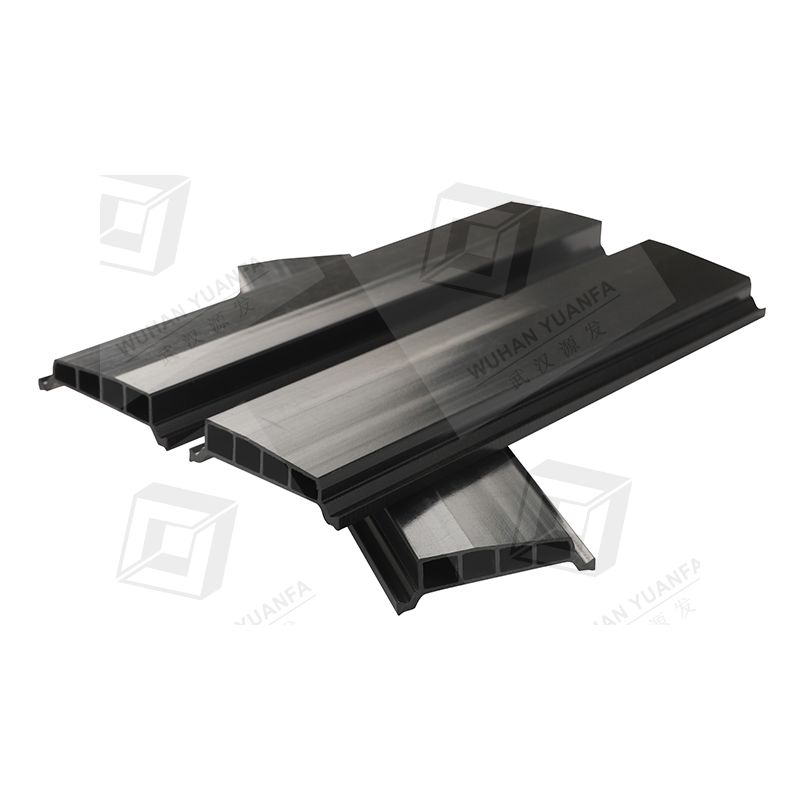
Polyamide insulating profiles are specialized components used primarily in construction to improve thermal insulation. They consist mainly of polyamide, a type of durable synthetic polymer known for its strength and low thermal conductivity. Often reinforced with glass fibers, these profiles provide a robust barrier between metal parts in windows, doors, and curtain walls. The composition of polyamide profiles includes:
Polyamide base: Offers excellent mechanical strength and resistance to chemicals.
Glass fiber reinforcement: Enhances rigidity and dimensional stability.
Additives: Improve resistance to UV rays and weathering.
This combination results in profiles that withstand harsh environmental conditions while maintaining their insulating properties over time.
Their main role in thermal insulation is to act as a thermal break. In metal-framed structures, heat tends to pass quickly through metal parts, causing energy loss and condensation problems. Polyamide profiles interrupt this heat flow by separating the interior metal frame from the exterior one, reducing heat transfer significantly. This thermal break function leads to several advantages:
Reduced energy consumption: Less heat escapes in winter, and less heat enters in summer.
Improved comfort: Interiors maintain more stable temperatures.
Condensation prevention: Limits moisture build-up on interior surfaces.
Structural integrity: Maintains strength while enhancing insulation.
In essence, polyamide insulating profiles serve as a vital component in modern energy-efficient buildings. They help meet stringent building codes and sustainability goals by minimizing heat loss and improving overall building performance.
Polyamide insulating profiles stand out due to their unique combination of properties, making them essential in modern construction for thermal insulation purposes. Here are the key features that make them highly effective:
Polyamide insulating profiles are known for their exceptional durability. The base polyamide material is inherently strong and resistant to wear and tear. When reinforced with glass fibers, these profiles gain extra rigidity and dimensional stability, ensuring they maintain their shape and performance over time.
Additionally, these profiles resist a wide range of chemicals, including cleaning agents and processing chemicals commonly used in construction. This resistance makes them suitable for harsh environments and various finishing processes such as anodizing and stove enameling. Their weather resistance also ensures longevity even when exposed to UV rays, moisture, and temperature fluctuations.
One of the main reasons polyamide profiles are used is their excellent thermal insulation properties. Polyamide has low thermal conductivity, meaning it does not easily transfer heat. This characteristic is crucial in creating a thermal break between interior and exterior metal parts in windows, doors, and curtain walls.
By acting as a barrier, these profiles significantly reduce heat loss in winter and heat gain in summer. This thermal break helps improve energy efficiency, reduce heating and cooling costs, and prevent condensation on metal surfaces. The wider the polyamide profile, the better the insulation effect, allowing for customization based on specific energy performance requirements.
Polyamide insulating profiles come in a wide range of cross-sections and sizes. This versatility allows them to fit various metal frames, including aluminum and steel, for windows, doors, facades, and curtain walls. Manufacturers can select profiles tailored to their production methods and customer needs.
Their adaptability extends to different architectural styles and structural designs. Whether used in commercial curtain walls or residential window frames, polyamide profiles provide a reliable thermal break without compromising structural integrity. They also integrate well with other materials, enabling innovative building designs that meet strict energy codes and standards.
Polyamide insulating profiles offer several compelling benefits that make them a preferred choice in modern construction. These benefits extend beyond mere insulation, impacting energy efficiency, environmental sustainability, and structural integrity.
One of the most significant advantages of polyamide insulating profiles is their ability to reduce energy consumption. By acting as an effective thermal break, they minimize heat transfer between the interior and exterior metal frames of windows, doors, and curtain walls. This reduction in heat flow leads to lower heating needs in winter and less cooling demand in summer.
For example, a typical window frame without thermal separation might have a U-value around 6 W/(m²·K), while a frame with polyamide insulating profiles can reduce this to approximately 1.4 W/(m²·K). This improvement translates to substantial energy savings, lowering heating bills by up to 75% in some cases. Over time, these savings offset the initial investment in polyamide profiles, making them a cost-effective solution for both new constructions and renovations.
Polyamide insulating profiles contribute to greener building practices. Their excellent thermal insulation reduces the energy required for heating and cooling, which in turn lowers greenhouse gas emissions. Many manufacturers use recycled polyamide materials, enhancing the sustainability aspect by reducing waste and reliance on virgin polymers.
Additionally, the long lifespan and durability of these profiles mean fewer replacements and less material waste over time. This durability aligns well with sustainable construction goals, promoting buildings that perform efficiently for decades.
Beyond insulation, polyamide profiles improve the overall structural stability of metal frames. Reinforced with glass fibers, they provide a rigid connection between interior and exterior frame parts without compromising strength. This reinforcement helps maintain the shape and alignment of windows and doors under various stresses, including wind loads and thermal expansion.
Moreover, polyamide profiles resist corrosion and chemical damage, which can otherwise weaken metal components. Their resistance ensures that structural integrity remains intact, reducing maintenance needs and extending the functional life of the building envelope.
Tip: When aiming for maximum energy efficiency and structural performance, choose polyamide insulating profiles with higher glass fiber content and appropriate thickness tailored to your project’s climate and design requirements.
Polyamide insulating profiles play a crucial role in enhancing the energy efficiency and durability of modern buildings. Their use is widespread in key construction elements such as windows, doors, facades, and curtain walls. Let’s explore how these profiles integrate into these applications and the benefits they bring.
Windows and doors are critical points in a building’s envelope where heat loss or gain can significantly impact energy consumption. Polyamide insulating profiles act as thermal breaks between the interior and exterior metal frames, most commonly aluminum or steel. This separation reduces heat conduction through the frame, improving the overall thermal performance of the window or door.
In facades, especially metal-framed ones, polyamide profiles prevent thermal bridging, which can cause condensation and energy inefficiency. They maintain the structural strength of the frame while providing excellent insulation. The profiles are available in various shapes and thicknesses, allowing manufacturers to customize them for different frame designs and performance requirements. Key benefits in these applications include:
Reduced energy loss: Lower heating and cooling costs.
Condensation control: Prevents moisture buildup on interior surfaces.
Structural support: Maintains frame stability and alignment.
Weather resistance: Profiles withstand exposure to UV rays, moisture, and chemicals.
Curtain walls are non-load-bearing exterior walls often made of glass and metal, common in commercial buildings. Since they hang like a curtain on the building frame, thermal insulation is vital to prevent energy loss and maintain interior comfort.
Polyamide insulating profiles serve as thermal breaks in curtain wall systems by separating the external and internal metal profiles. These profiles are typically reinforced with glass fiber to ensure mechanical strength while providing excellent insulation. The thermal break reduces heat transfer, helping the building meet energy efficiency standards such as passive house requirements.
The installation process involves inserting pre-extruded polyamide strips into channels within aluminum profiles. These channels often have small teeth or bends to grip the strips firmly, preventing shrinkage and ensuring a strong composite structure. This method offers advantages over traditional polyurethane pour-and-debridge techniques, including easier handling, consistent quality, and reliable thermal performance. Benefits of using polyamide profiles in curtain walls include:
Superior thermal insulation: Keeps interiors comfortable year-round.
Enhanced structural stability: Reinforced profiles resist deformation.
Resistance to harsh weather: Handles UV exposure, corrosion, and temperature extremes.
Cost-effectiveness: Simplifies fabrication and reduces maintenance needs.
When choosing insulating materials for metal frames in construction, polyamide insulating profiles stand out, especially compared to polyurethane-based methods. Understanding the advantages and cost-performance aspects helps manufacturers and builders make informed decisions.
Polyamide insulating profiles offer several benefits compared to traditional polyurethane (PU) pour-and-debridge techniques:
Pre-extruded and Consistent Quality: Polyamide strips come pre-extruded with controlled dimensions and properties. This consistency ensures reliable thermal performance and structural strength. PU methods rely on in-situ pouring, which can lead to uneven distribution or defects.
Easier Handling and Installation: Polyamide profiles are solid strips inserted into aluminum channels designed with teeth or bends. This mechanical grip prevents shrinkage and enhances bonding. PU requires careful pouring and curing, which is more labor-intensive and sensitive to conditions.
Better Durability and Weather Resistance: Polyamide resists UV radiation, chemicals, and temperature fluctuations better than PU foam. This resistance helps maintain long-term performance, especially in harsh climates.
Structural Stability: Reinforced polyamide profiles with glass fiber provide excellent rigidity and dimensional stability. PU foam, while insulating, does not add mechanical strength or support to the frame.
Thermal Performance: Both materials offer low thermal conductivity, but polyamide’s design allows tailored thickness and fiber reinforcement, optimizing insulation and strength simultaneously.
| Aspect | Polyamide Profiles | Polyurethane Pour-and-Debridge |
|---|---|---|
| Material Cost | Generally higher per unit length | Lower material cost |
| Installation Cost | Lower due to easier handling and faster assembly | Higher due to on-site pouring and curing time |
| Quality Control | High consistency from factory extrusion | Variable, depends on site conditions |
| Maintenance | Low, resistant to weathering and chemicals | May degrade faster, requiring repairs |
| Thermal Efficiency | Excellent, customizable thickness and reinforcement | Good, but less structural support |
| Environmental Impact | Often uses recycled polyamide, recyclable | PU foam less recyclable, potential VOC emissions |
Though polyamide profiles have a higher upfront material cost, savings in installation time and long-term durability often make them more cost-effective overall. Their reliable quality reduces risks of warranty claims or rework, adding value for manufacturers.
Polyamide insulating profiles offer significant advantages in installation and long-term maintenance, making them a preferred choice for manufacturers and builders alike.
These profiles come pre-extruded, which means they are manufactured to precise dimensions and quality standards in a factory setting. This pre-extrusion ensures consistent thickness, length, and glass fiber distribution, reducing variability during installation. As a result, handling becomes straightforward—profiles can be quickly inserted into aluminum or steel frame channels without the need for complex on-site processing.
The channels in metal frames are often designed with small teeth or bends that grip the polyamide strips firmly. This mechanical locking prevents shrinkage or movement, securing the profile in place and ensuring a stable composite structure. Unlike polyurethane pour-and-debridge methods, which require careful pouring, curing, and quality control on-site, polyamide profiles simplify fabrication and reduce installation time.
Additionally, polyamide profiles are compatible with standard fabrication tools and processes. They can be cut, drilled, and machined easily, allowing manufacturers to customize them for various frame designs. This flexibility supports efficient production workflows and helps meet tight project deadlines.
Polyamide insulating profiles are highly durable and resistant to weathering, chemicals, and UV radiation. This robustness means they maintain their insulating properties and physical integrity over many years, even under harsh environmental conditions.
Because they resist corrosion and chemical degradation, polyamide profiles reduce the risk of frame damage that could otherwise lead to costly repairs or replacements. Their stability also limits deformation and shrinkage, preserving the thermal break’s effectiveness throughout the building’s lifespan.
Maintenance routines for windows, doors, and curtain walls using polyamide profiles are simpler and less frequent. The profiles do not require special treatments or coatings after installation, and their resistance to dirt and moisture helps prevent mold or condensation issues.
Overall, polyamide insulating profiles contribute to lower lifecycle costs by minimizing the need for interventions and extending the service life of metal-framed assemblies.
Polyamide insulating profiles offer durability, chemical resistance, and thermal efficiency, making them essential in modern construction. Their ability to reduce energy consumption and enhance structural stability highlights their impact on building performance. These profiles are versatile, fitting various applications and contributing to environmental sustainability. Yuanfa's polyamide insulating profiles provide exceptional value, ensuring energy efficiency and long-lasting performance in construction projects.
A: Polyamide Insulating Profiles reduce heat transfer between interior and exterior metal frames, leading to lower heating and cooling costs and improved energy efficiency in buildings.
A: Polyamide Insulating Profiles offer better durability, easier installation, and consistent quality, making them a superior choice over traditional polyurethane pour-and-debridge methods.
A: The cost of Polyamide Insulating Profiles is influenced by factors like profile thickness, glass fiber content, and installation complexity, though they offer long-term cost savings.
A: Benefits include enhanced energy efficiency, structural stability, environmental sustainability, and reduced maintenance needs, making them ideal for modern building projects.


