

close
Choose Your Site
Global
Social Media

Author: Site Editor Publish Time: 2025-10-21 Origin: Site
Polyamide operating rods are integral components used across a variety of industries. Made from durable nylon, these rods help transmit mechanical force and ensure smooth machinery and automation operations.
In this article, we’ll explore how polyamide operating rods work, their advantages, and why they are a reliable choice compared to other materials. You’ll gain insights into their key features and how they contribute to enhanced efficiency and longevity in various applications.
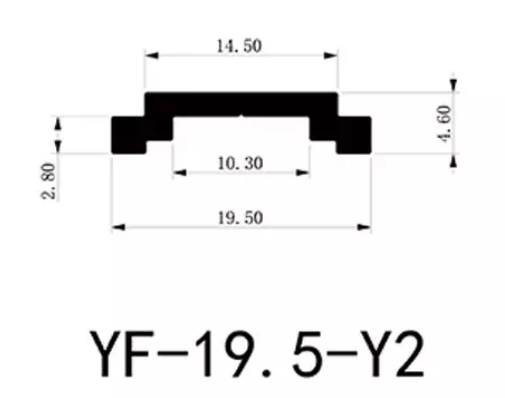
Polyamide operating rods, commonly known as nylon rods, are thermoplastic components made from polyamide (PA) materials such as PA6 and PA66. These rods are engineered to transmit mechanical force and motion within various systems. Their inherent properties—lightweight, durable, and resistant to wear—make them ideal for applications in automotive, robotics, and industrial automation.
Polyamide, a synthetic polymer, is a key material in engineering applications due to its high strength-to-weight ratio. This enables the rods to function effectively in environments where mechanical stress is prevalent, without compromising on weight or flexibility. Polyamide operating rods can withstand a wide range of temperatures and mechanical forces, making them suitable for critical applications across different industries.
Polyamide operating rods are versatile and can be found in many industries:
Automotive: In components like sunroof rails, gears, window regulators, and pulleys. These applications benefit from the lightweight and durable nature of polyamide, ensuring better fuel efficiency and reduced noise.
Robotics: Polyamide rods are often used in robotic linkages and actuators, providing precise motion control in robotic arms and automated systems.
Industrial Automation: These rods are commonly found in conveyor systems, machinery, and other automation equipment. They help ensure smooth and efficient operation in manufacturing and processing environments.
Consumer Products: Polyamide operating rods are also used in various household and office products such as printers, sewing machines, and other small appliances, where reliability and longevity are important.
The broad range of applications highlights the rod’s ability to perform under different conditions while maintaining high durability and operational reliability.
Polyamide rods are typically manufactured using extrusion or casting methods:
Extrusion: Polyamide pellets are first melted and forced through a mold to form rods of the required size. This process is ideal for creating large quantities of rods with consistent mechanical properties. Extruded polyamide rods are widely used in applications that require uniform strength and flexibility across the entire length.
Casting: In this process, molten polyamide is poured into molds and allowed to cool and solidify. Casting is especially useful for manufacturing rods with specific dimensions or more complex shapes that extrusion cannot achieve. Cast rods are often used in specialized applications where unique properties are required.
Both manufacturing processes ensure that polyamide rods are durable and meet the specific performance standards required for their various uses.
Polyamide operating rods function by transmitting mechanical force from one component to another. When force is applied at one end of the rod, it travels through the rod and acts on other components of the system. This transmission of force is facilitated by the strength and flexibility of polyamide, which can handle the mechanical load without compromising its structural integrity. The material’s low coefficient of friction ensures minimal energy loss during this transfer, making the process more efficient compared to metals or other materials that tend to have higher friction and require more power to operate.
In comparison with metal rods, polyamide rods offer distinct advantages in environments where weight reduction and reduced friction are important. In robotic systems, for example, the reduced friction in polyamide operating rods ensures smoother movement and less wear on moving parts.
Polyamide materials have a low friction coefficient, which plays a crucial role in reducing the wear and tear that typically occurs in mechanical systems. When moving parts come into contact with polyamide rods, the low friction minimizes heat generation, reducing the risk of component failure due to overheating. This property is especially useful in applications where the parts are constantly in motion, such as in automotive gearboxes or robotic arms.
Polyamide’s wear resistance extends the lifespan of both the rod and the components it interacts with. In many industrial systems, this means fewer repairs and replacements, reducing maintenance costs and improving overall system uptime. The material’s ability to resist abrasion makes it ideal for heavy-duty operations, as it can withstand repeated movement and friction without deteriorating.
The flexibility of polyamide rods allows them to absorb shock and vibration, which is critical in systems subject to dynamic forces. Their ability to bend without breaking or losing strength makes them suitable for applications that require a high degree of movement, such as in robotic actuators or suspension systems in vehicles. This flexibility also reduces the risk of breakage under stress, contributing to the long-term durability of the rod and the equipment it supports.
Polyamide rods are engineered to maintain their functionality even under challenging environmental conditions. They are resistant to a wide range of temperatures, from freezing to high heat, which ensures they continue to perform in diverse operating environments. This resilience to temperature extremes makes them suitable for use in applications such as automotive engines or industrial machinery, where temperatures can fluctuate dramatically.
Polyamide rods stand out due to their impressive strength-to-weight ratio. They are capable of withstanding substantial mechanical loads while remaining significantly lighter than their metal counterparts. This characteristic is particularly valuable in industries like automotive manufacturing, where reducing weight without compromising strength leads to enhanced fuel efficiency and better performance.
The high strength-to-weight ratio also makes polyamide rods an attractive option in aerospace applications, where reducing the weight of components is crucial to achieving better fuel efficiency and overall system performance. Additionally, the reduced weight of polyamide rods can improve the handling and installation of components, reducing manual labor and improving safety during setup and maintenance.
Polyamide operating rods are designed to be impact-resistant, allowing them to withstand sudden shocks and forces that would typically damage other materials. This toughness makes them ideal for use in environments where components are exposed to unexpected impacts, such as in automotive crash tests, robotic arms in manufacturing, or heavy machinery.
This impact resistance ensures that polyamide rods maintain their integrity and continue to perform even under extreme conditions. Whether used in high-stress applications or environments prone to physical damage, polyamide rods offer reliable protection against wear and mechanical failure.
Polyamide rods are engineered for longevity, maintaining their strength and flexibility over extended periods of use. Unlike metals that may corrode, warp, or lose their structural integrity after prolonged exposure to stress or environmental factors, polyamide rods retain their properties and continue to function effectively.
This long-term performance is especially beneficial in industries where downtime is costly, and continuous operation is essential. For example, in industrial automation, polyamide operating rods help reduce maintenance costs and minimize the risk of system failure, leading to higher productivity and lower operational costs.
Polyamide rods are much lighter than metal rods, which makes them easier to handle, install, and move during manufacturing processes. This lightweight property contributes to improved operational efficiency and reduces the risk of injuries during manual handling.
In industries like aerospace and automotive manufacturing, where weight reduction is a priority, polyamide operating rods offer a distinct advantage. Lighter components contribute to overall weight savings, which is crucial for improving fuel efficiency and performance.
Polyamide rods are typically more cost-effective than metal rods, both in terms of material cost and production. The manufacturing process for polyamide rods is less expensive than for metal rods, and the material itself is often less expensive to source. Furthermore, polyamide’s durability and resistance to wear result in lower maintenance and replacement costs, which adds to its long-term cost-effectiveness.
Polyamide rods are especially cost-effective in applications where high-volume production is necessary, such as in automotive manufacturing, where thousands of parts are produced annually. The material’s ability to reduce overall manufacturing and maintenance costs makes it an attractive option for manufacturers seeking to optimize their processes and budgets.
Polyamide operating rods reduce the frequency of maintenance compared to metal rods. Their resistance to corrosion, wear, and high-impact forces ensures that they continue to operate at peak performance for longer periods. This translates into fewer repairs, reduced downtime, and lower maintenance costs.
In industries that rely on continuous operation, such as in manufacturing and automotive production, polyamide rods help ensure that systems remain operational without the need for frequent maintenance or replacement. This enhanced operational efficiency is crucial for businesses looking to maximize productivity and minimize interruptions.
| Property | Polyamide Operating Rods | Metal Rods |
|---|---|---|
| Weight | Lighter | Heavier |
| Cost | More cost-effective | Higher production cost |
| Friction Coefficient | Low | Higher friction |
| Corrosion Resistance | Excellent | Prone to rust and corrosion |
| Impact Resistance | High | Moderate |
| Maintenance | Low maintenance | Higher maintenance required |
Polyamide materials, particularly PA66, are known for their excellent thermal stability, making them ideal for high-temperature environments. Polyamide operating rods can perform effectively in temperatures up to 100°C, and some grades can even withstand higher temperatures.
This thermal resistance makes polyamide rods suitable for applications in automotive engines, industrial machinery, and other systems that generate significant heat. The rods maintain their strength and shape even under extreme thermal stress, ensuring reliable performance in challenging environments.
Polyamide operating rods also exhibit excellent resistance to chemicals, oils, and solvents, which makes them ideal for use in industries that deal with corrosive substances. Whether used in chemical processing, food manufacturing, or automotive applications, polyamide rods can withstand exposure to harsh chemicals without degrading.
This chemical resistance ensures that polyamide rods maintain their integrity and continue to perform in demanding environments. For industries that rely on automation or machinery exposed to chemicals, polyamide rods are a durable and reliable choice.
In the automotive industry, polyamide operating rods are used in critical components such as sunroof mechanisms, window regulators, and door actuators. Their lightweight and durable nature reduces overall vehicle weight, contributing to better fuel efficiency. Moreover, their low friction properties ensure smooth operation of vehicle parts, improving user experience and reducing noise.
Polyamide operating rods are essential in industrial automation systems, where precision, reliability, and durability are paramount. These rods are used in robotic arms, conveyor systems, and other automated machinery. Their ability to withstand continuous operation while maintaining high performance makes them indispensable in manufacturing processes that require automated precision.
Polyamide rods are widely used in robotics, particularly in precision engineering applications. In robotic arms, actuators, and other complex systems, polyamide rods provide the necessary flexibility and durability. Their resistance to wear and impact ensures that robotic systems continue to perform at optimal levels, even in harsh or dynamic environments.
Polyamide operating rods are versatile and provide numerous benefits in industries like automotive, robotics, and industrial automation. Their strength, flexibility, and resistance to wear and chemicals make them an ideal choice for various applications. By understanding their mechanisms, companies can use these rods to improve performance, reduce costs, and enhance overall system efficiency. Wuhan Yuanfa New Materials offers high-quality polyamide operating rods, delivering durable and cost-effective solutions that meet the needs of modern industries.
A: Polyamide operating rods are durable components made from nylon. They transmit mechanical force and are used in automotive, robotics, and industrial automation.
A: Polyamide operating rods transmit mechanical force by utilizing their strength and flexibility. They offer smooth movement and resistance to wear.
A: Polyamide operating rods are lightweight, impact-resistant, and chemically resistant. They enhance performance, reduce maintenance, and improve system efficiency.
A: Polyamide operating rods are used in robotics for their flexibility, durability, and ability to handle repetitive motions without wear.
A: Yes, Polyamide operating rods are cost-effective due to their durability, reducing maintenance and replacement costs over time.


