

close
Choose Your Site
Global
Social Media

Building a high-performance envelope demands absolute precision at every single structural connection point. Poor execution wastes expensive materials and guarantees future building failures. Installing a thermal break correctly is the dividing line between a compliant, energy-efficient facade and a structure plagued by condensation or regulatory rejection. Direct contact between exterior cladding and metal frameworks can degrade a wall's total R-value by up to 30 percent.
Effective installation requires isolating every point of contact, maintaining precise air gaps, and adhering to strict fastening tolerances. This guide outlines the technical realities of how to install these critical systems across steel framing, roof assemblies, and window extrusions. You will learn actionable methods to ensure code compliance and guarantee long-term durability.
Compliance is Non-Negotiable: Mandatory codes often require a minimum R0.2m² K/W thermal break where external cladding meets steel frames.
Air Gaps Dictate Performance: Reflective and foil-based breaks require a minimum ≥20mm unventilated air space on the low-E side to function properly.
Installation Tolerances Matter: Overtightening fasteners compresses the break, destroying its isolating properties. Adjustable clutch screw guns are highly recommended.
Material Specificity: Distinct scenarios require specific materials—rigid polyolefin for heavy cladding, fire-rated pads for bushfire zones, and polyamide thermal break structures for window fenestrations.
Many contractors underestimate the physics behind heat transfer in modern buildings. High-conductivity materials act as rapid transit highways for heat energy. Steel framing and aluminum extrusions easily bypass bulk insulation if you fail to separate them from external temperatures. Bypassing this crucial separation layer results in localized heat loss. This translates directly to elevated energy demands.
Beyond simple heat loss, poor installation introduces severe structural risks. Interstitial condensation is a persistent threat in metal-framed buildings. When cold metal structural elements meet warm, humid indoor air, moisture rapidly forms on the surface. Proper installation prevents these severe cold spots. If you ignore this step, moisture pools inside the wall cavity. In metal roofing structures, this phenomenon creates "indoor rain," causing internal damage. Technical bulletins across the steel industry repeatedly warn that unmanaged condensation accelerates roof corrosion and degrades fasteners prematurely.
The evidence regarding thermal resistance drops is clear and heavily documented. Failing to isolate metal frames causes massive energy hemorrhaging. Testing shows you can lose up to a 30% drop in overall system thermal resistance. You might install premium bulk insulation between studs. However, if the steel studs touch the exterior cladding directly, they channel heat straight out of the building. The envelope fails structurally and practically.
You must select the correct isolation material before you arrive on site. Different structural demands require different engineering solutions. Grabbing a generic product often leads to mechanical failure or code violations.
You need to match the product format to the specific building assembly. Using the wrong format compromises both the external finish and the internal climate control.
Table 1: Comparison of Thermal Isolation Materials
Solution Category | Best Application | Primary Advantages | Critical Limitations |
|---|---|---|---|
Rigid Strip / Tape | Steel-framed walls with heavy exterior cladding. | High compression resistance. Prevents cladding undulation. | Minimal flexibility for curved or complex architectural shapes. |
Foil Blankets | Roofing assemblies and large commercial shed structures. | Excellent radiant heat reflection. Covers large areas quickly. | Requires strict management of trapped air layers to function. |
Isolation Pads | Heavy commercial facades, fire-rated ceilings, specific brackets. | Targeted isolation. Can handle high point-loads safely. | Labor-intensive. You must install them at every single fastener point. |
Job site safety requires rigorous pre-installation checks. Many modern isolation barriers use reflective foil. This foil conducts electricity effectively. You must assess the site for electrical hazards before handling these highly conductive variants. Review local workplace health and safety legislation regarding reflective insulation near live wiring.
Chemical hazards also dictate material handling. You must prevent direct contact between foil layers and wet concrete or mortar. Fresh cement is highly alkaline. This alkalinity chemically attacks the aluminum foil, corroding the reflective face rapidly. The resulting degradation destroys the material's radiant resistance capabilities.
Your framing must be exceptionally flat before you apply any isolation strips. You cannot use these materials to shim or fix badly bowed walls. Ensure your framing flatness tolerances meet strict industry standards. For example, aim for a maximum 3-4mm deviation over a standard 3000mm span. Excessive bowing creates mechanical stress on the final cladding. The rigid isolation strips will transfer this undulation directly to the exterior facade.
Applying isolation strips to light-gauge steel framing demands a precise sequence. You must protect the envelope from both moisture intrusion and thermal bridging simultaneously. Follow this standardized four-step protocol to ensure a compliant, durable installation.
Step 1: Vapor Permeable Membrane Integration. You must install your weather barrier before applying the isolation strip. Roll out and secure the permeable membrane across the external face of the steel studs. The isolation strip must sit sandwiched between this membrane and the exterior cladding. This sequence ensures continuous weatherproofing while pushing the dew point further outside the cavity.
Step 2: Alignment and Adhesion. Most rigid strips feature a self-adhesive backing for rapid placement. Peel the backing and apply the strips directly to the face of the steel studs over the membrane. Press firmly to ensure adequate temporary adhesion. Always verify product orientation. Many manufacturers specify exactly which face must point outward for maximum effectiveness.
Step 3: Fastening Protocol. Fastening is the most critical mechanical step. Do not over-compress the material. Crushing the strip destroys its isolating capacity. You should always use an adjustable clutch screw gun. Set the clutch so the fastener drives flush without biting deeply into the strip. Ensure you use the appropriate fastener length. For heavy isolation pads, use a minimum 15mm pan head self-drilling screw to secure it to the steel frame.
Step 4: Managing Clearances and Openings. You must maintain strict ground clearances. Keep all isolation materials at least 150mm away from the surrounding soil. This gap prevents ground moisture wicking and allows for visual termite inspections. At windows and doors, carefully transition the material. Install the strip alongside the window flange, or place it directly behind the flange. If you place it behind, you must account for changes to the internal reveal depths.
Roofing installations often expose a sharp conflict between regulatory theory and practical site safety. Understanding how to navigate this conflict ensures you deliver a compliant roof without endangering the installation crew.
National building codes generally dictate a specific roofing installation method. Regulations usually require you to install foil-based blankets directly under the roof battens. The material must hang with a slight sag of ≤40mm. This specific sag is not accidental. It deliberately preserves the mandatory ≥20mm free air space facing the reflective low-E surface. Without this unventilated air gap, radiant heat simply conducts through the material. The stated R-value vanishes instantly.
Despite regulatory demands, site contractors frequently use a common workaround. Many install the foil blanket over the battens, sandwiching it tightly under the metal roof sheets. They do this strictly for walkability and safety. Walking on a roof when you cannot see the supporting battens beneath a layer of foil is extremely dangerous. Installers prefer to see exactly where they are stepping.
If site safety demands installing over the battens, you must mitigate the risks. First, you must communicate the absolute necessity of safe movement. Installers should only walk on the screwed-down metal sheeting. They must never step directly on the unseen battens hidden beneath the insulation. Second, understand this method compresses the material at the batten line, creating localized thermal bridges. You may need thicker primary insulation to compensate for this performance drop.
Moisture management dictates how you handle material overlaps. Condensation forms frequently under metal roofs. Ensure all laps meet minimum requirements. Use a minimum 150mm overlap if you leave it un-taped. If you use manufacturer-approved reinforced tape, a 50mm overlap is sufficient. Orient the laps correctly. The upper layer must always overlap the lower layer. This shingle-style orientation directs all condensation safely outward toward the gutters.
Facade fenestrations represent massive vulnerabilities in the building envelope. Aluminum is highly conductive. Without intervention, an aluminum window frame bleeds indoor heat directly to the cold winter air outside.
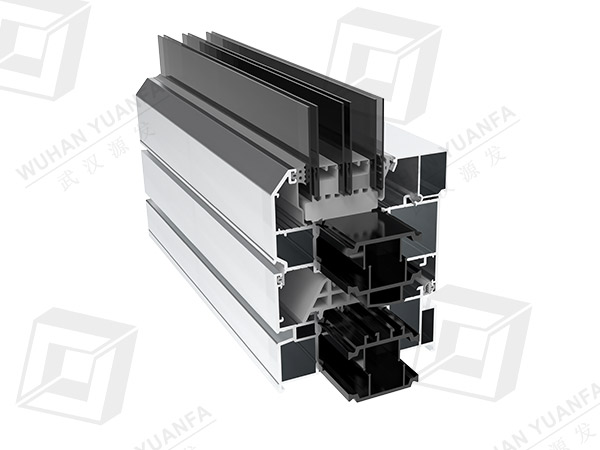
High-performance aluminum windows solve this vulnerability using advanced polymers. Manufacturers rely on a factory-extruded polyamide thermal break. This incredibly durable component physically separates the interior metal profile from the exterior metal profile. The polyamide struts are mechanically rolled and crimped into the aluminum halves. They lock the frame together structurally while severing the conductive heat path completely.
The factory extrusion process guarantees frame performance, but site detailing determines overall success. The built-in break is only step one. Rough opening detailing is absolutely critical during installation. You must ensure continuous alignment between the window’s internal isolation layer and the wall’s primary cavity insulation layer. If these two layers do not align precisely, heat easily bypasses the frame. This flanking heat loss ruins the envelope's performance.
Proper window detailing delivers massive long-term value. First, it ensures long-term structural integrity by keeping the interior frame warm. A warm frame prevents condensation formation. Eliminating condensation permanently prevents perimeter mold growth around window reveals. Ultimately, this meticulous installation strategy guarantees maximum indoor thermal comfort regardless of exterior weather conditions.
Even premium materials fail if installers make fundamental errors. Building inspectors routinely flag envelopes for simple, avoidable execution mistakes. We recommend monitoring your team for these specific issues.
Overtightening Fasteners: Using excessive torque is the most common error. Crushing a rigid isolation strip negates the physical separation layer. It squeezes out trapped air and compresses the foam, reducing the R-value to near zero. Always use a clutch-controlled drill.
Ignoring Fire Clearances: Heat sources require strict separation from insulation materials. Installers frequently fail to leave mandatory gaps around penetrations. You must maintain minimum clearances (often 50mm) around hot flues, chimneys, or recessed lighting fixtures to prevent fire hazards.
Incomplete Isolation: Heat finds the path of least resistance. Missing a single corner, junction, or horizontal top hat compromises the entire wall section. Every single point of contact between exterior cladding and interior framing must feature an isolation barrier. Fold pads over edges at corners to ensure total coverage.
Prolonged UV Exposure: Construction delays happen, but isolation materials are vulnerable. Leaving these specialized materials exposed to direct sunlight for months degrades their chemical structure. UV exposure breaks down polymer chains rapidly. This negligence ultimately voids manufacturer warranties and weakens the facade system.
Table 2: Installation Quality Assurance Checklist
Inspection Area | Target Standard | Common Failure |
|---|---|---|
Fastener Depth | Screws sit flush without crushing material. | Over-driven screws reducing material thickness. |
Material Continuity | 100% coverage at all metal-to-cladding contact points. | Missing isolation strips at corners or rough openings. |
Air Gap Maintenance | ≥20mm unventilated space maintained near low-E foil. | Insulation pushed flush against foil, killing radiant reflection. |
Properly installed thermal breaks protect the building envelope from systemic thermal and moisture failure. Success relies heavily on preserving precise air gaps, respecting fastener torque limits, and ensuring 100% mechanical isolation across all structural joints. You cannot compromise on these details without sacrificing energy efficiency and structural longevity.
We advise specifiers to shortlist products based on specific functional needs like high compressive strength or integrated adhesives for installation ease. Always verify compliance with local building codes before final procurement. Finally, consult a structural or fire engineer for complex commercial applications to guarantee both safety and performance across the building lifecycle.
A: No. Over-compressing destroys the physical separation required to prevent thermal bridging. Use rigid, high-compressive-strength materials designed specifically for your cladding weight and use torque-controlled screw guns.
A: Foil-based materials rely on low emissivity to block radiant heat. Without a minimum 20mm free air space facing the reflective side, heat simply conducts straight through the material, rendering the R-value claims invalid.
A: It depends on the application. If acting purely as a thermal barrier, a 150mm overlap is generally sufficient. If it must also perform as a vapor or moisture barrier, a 50mm overlap sealed with manufacturer-approved reinforced tape is strictly required.
A: A polyamide thermal break is a highly durable, low-conductivity polymer used primarily inside aluminum window and door frames. It is typically extruded and rolled into the frame at the manufacturing facility, meaning on-site installation focuses on aligning this built-in break with the wall's insulation layer rather than assembling the frame itself.


