

close
Choose Your Site
Global
Social Media

Author: Site Editor Publish Time: 2026-07-17 Origin: Site
Standard aluminum windows are strong, but they transfer heat quickly. Is paying more for thermal separation really sensible? In this article, we examine when thermal break aluminum windows create real value. You will learn how climate, comfort, condensation, cost, and installation shape the answer.
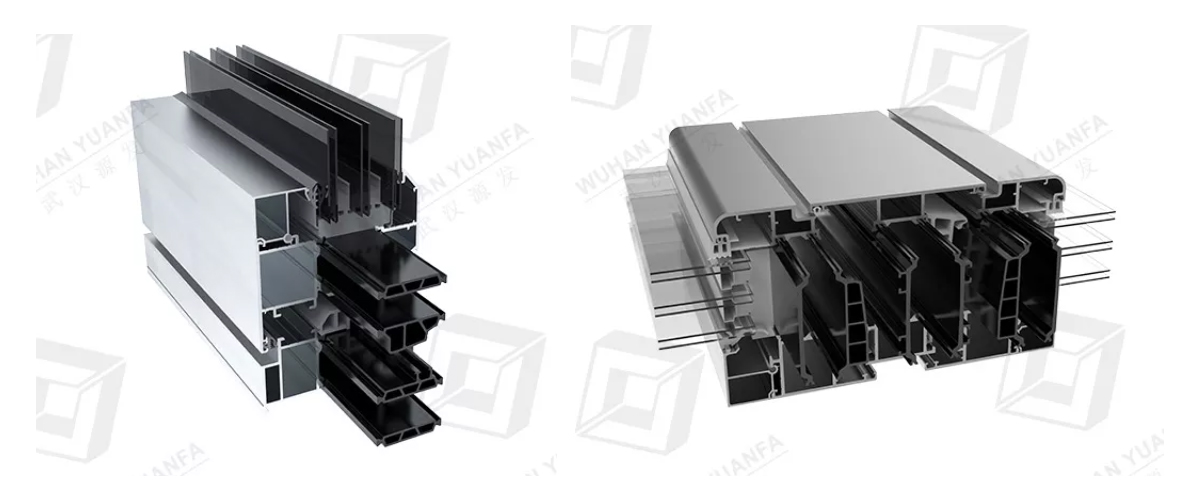
● Thermal break aluminum windows are usually worth considering in cold, hot, mixed, or humid climates.
● A thermal break strip separates the indoor and outdoor aluminum sections. It interrupts the direct metal heat path.
● Key benefits include improved comfort, warmer interior frame surfaces, lower summer heat gain, and reduced condensation risk.
● Large windows, sliding doors, façades, and curtain walls often gain more value because they contain more aluminum framing.
● Glass-fiber-reinforced polyamide is widely used for its low heat transfer, mechanical strength, and dimensional stability.
● A higher price does not guarantee strong performance. Glass, seals, profile design, manufacturing accuracy, and installation must work together.
● Compare whole-window testing and lifecycle value instead of relying only on the “thermally broken” label.
● Strip material, profile geometry, groove compatibility, and extrusion accuracy can directly affect assembly quality and long-term stability.
Thermally broken windows offer the clearest value where outdoor and indoor temperatures differ greatly. A thermal break strip interrupts heat flow through the aluminum frame. This helps the interior section remain closer to room temperature.
The same principle supports winter heat retention and summer heat control. It is useful in cold regions, hot sunny areas, and mixed climates with strong seasonal changes.
However, climate alone does not decide value. Window area, orientation, shading, glass type, airtightness, and local energy costs also affect the result.
A room can reach its thermostat setting but still feel uncomfortable near conductive frames. Cold interior surfaces may create uncomfortable air movement during winter. Heated aluminum frames can affect nearby areas during summer.
Thermal separation reduces these sharp surface-temperature differences. It can make seating areas, bedrooms, offices, and other spaces near windows more comfortable.
This improvement may be more noticeable than a small change in an energy bill. People experience window performance through comfort, not only through energy calculations.
Condensation can form when an interior frame becomes cold enough for indoor moisture to collect. A thermal break helps keep that surface warmer. It therefore reduces moisture risk around the frame and nearby finishes.
It cannot replace ventilation or humidity control. Weak seals, blocked drainage, perimeter gaps, or high indoor humidity can still cause moisture problems.
A thermally broken frame should be viewed as one part of a complete condensation-control strategy.
Oversized windows, sliding doors, storefronts, and curtain walls contain substantial aluminum framing. More framing creates more possible paths for heat transfer.
A suitable thermal break strip can improve thermal separation while supporting a stable mechanical connection across large profiles. The strip must match the aluminum groove, expected loads, and assembly process.
This makes thermal separation especially important in projects using heavy glass, broad openings, or repeated façade framing.
A longer service period gives energy, comfort, and maintenance benefits more time to offset the higher purchase price.
The return may include lower heating and cooling demand, fewer condensation issues, and more usable space near glazing. Reduced moisture exposure may also help protect finishes and nearby materials.
A short ownership period can limit direct financial payback. Even then, comfort, compliance, and overall building quality may support the investment.
A lightly used structure in a mild climate may gain little from a premium frame. Small openings with limited aluminum area may also produce a modest return.
In some buildings, the available budget may create more value through air sealing, roof insulation, external shading, or better glazing.
The correct question is not whether thermal breaks are always better. The question is whether they solve a meaningful comfort, heat-transfer, or condensation problem.
Aluminum provides strength, slim sightlines, durable finishes, and support for large glass panels. However, continuous aluminum also creates a direct path for heat.
A thermal break strip connects separate inner and outer aluminum profiles. It places a low-conductivity material between them. Heat must cross this material instead of moving directly through the metal.
This design keeps many structural benefits of aluminum while addressing its main thermal weakness.
Many thermal break strips use PA66 reinforced with glass fiber. Polyamide limits heat transfer, while glass-fiber reinforcement improves stiffness, tensile strength, and dimensional control.
These properties help the strip remain stable during assembly, temperature changes, and long-term loading. Its thermal movement can also align closely with aluminum. This compatibility helps reduce stress where both materials connect.
Material quality remains important. A standard plastic insert may not provide the same strength, thermal-cycle stability, or manufacturing consistency.
The thermal break strip cannot correct weak glazing, leaking gaskets, poor drainage, or perimeter gaps.
The aluminum profile, insulating glass, edge spacer, seals, hardware, corner joints, and wall connection must support the same performance goal.
A high-quality strip installed inside a weak window design will not produce a high-performance window.
Note:Request complete-window performance data instead of judging a system through one component.
Thermal separation reduces a major route of heat movement through an aluminum opening.
During winter, less warmth travels directly through the frame. During summer, less outdoor heat enters through the aluminum sections. This can reduce the workload placed on heating and cooling equipment.
Actual savings depend on climate, glazing, window area, building insulation, orientation, and air leakage. Fixed savings claims should be supported by project-specific modeling or verified test results.
Lower frame conductivity can reduce cold edges, hot spots, and rapid temperature changes near windows.
This creates more comfortable seating, working, and sleeping areas. It can also reduce frequent thermostat adjustments caused by discomfort near large glazed surfaces.
The benefit is especially relevant in offices, hotels, classrooms, apartments, and homes where occupants remain close to windows for long periods.
Repeated condensation can stain finishes, weaken sealants, and damage nearby materials. It can also increase cleaning and maintenance requirements.
Keeping the interior aluminum surface warmer helps reduce this risk. However, humid buildings still require effective ventilation, drainage, and moisture management.
Thermal separation works best when it is supported by suitable glazing and airtight installation.
Thermally broken systems retain many reasons architects and manufacturers select aluminum. They support narrow profiles, large glass units, durable finishes, and complex architectural shapes.
A precisely extruded thermal break strip also supports reliable engagement inside the aluminum groove. Stable dimensions help maintain alignment during manufacturing and long-term temperature cycling.
Thermally broken frames require separate aluminum sections, an engineered insulating strip, accurate groove geometry, controlled assembly, and additional quality checks.
Upgraded glazing, hardware, coatings, finishes, and installation requirements may raise the final price further.
Buyers should compare equivalent systems. Comparing a basic standard window against a fully upgraded thermally broken window does not reveal the true cost of thermal separation.
Begin with the price difference between windows using similar dimensions, glazing, opening styles, hardware, and installation scope.
Then consider local climate, energy rates, operating hours, window area, orientation, and the expected service period. A large commercial façade may offer a different return from a small residential opening.
Project-specific energy modeling provides a more useful answer than a general savings percentage. It can separate improvements from the frame, glass, shading, and air sealing.
Purchase price represents only one part of value. Operating energy, maintenance, condensation exposure, occupant comfort, service life, and technical support also matter.
Stable strip dimensions and secure mechanical engagement are important in systems exposed to repeated temperature changes. Poor material selection may create assembly defects, movement, or performance loss over time.
Lifecycle evaluation is especially useful for commercial windows and façades expected to remain in service for many years.
Tip:Test strip samples and confirm groove compatibility before approving volume production.
Window option | Main strength | Main limitation | Best fit |
Standard aluminum | Strong, slim, and economical | Transfers heat quickly | Mild climates or unconditioned spaces |
Thermally broken aluminum | Strength plus thermal separation | Higher initial cost | Large openings and demanding climates |
Vinyl | Low conductivity and often affordable | May limit slim or large profiles | Common residential openings |
Wood | Natural insulation and appearance | Requires finish and moisture care | Design-led residential projects |
Standard aluminum directly connects the interior and exterior frame surfaces. Thermally broken aluminum separates them using an insulating strip.
This difference can improve interior surface temperatures, comfort, and condensation resistance. Standard aluminum may remain suitable in unconditioned buildings or mild climates where heat transfer is less important.
Vinyl naturally has lower thermal conductivity and often costs less. It can be suitable for standard residential openings.
Aluminum provides greater rigidity, slimmer profiles, and stronger support for large glass areas. Thermal break aluminum windows are often more suitable where the project requires both structural capacity and improved insulation.
Wood provides natural insulation and a warm visual appearance. However, it may require more protection from moisture, coating damage, and dimensional movement.
Thermally broken aluminum generally offers more consistent profile geometry and lower routine maintenance. The final choice depends on design goals, opening size, climate, and maintenance expectations.
A thermal break controls heat transfer through the frame. Insulated glazing and low-emissivity coatings control heat transfer through the glass.
Choosing only one can leave a weak point in the opening. A balanced window requires suitable frame insulation, glazing, spacers, seals, and installation.
Cold regions benefit from warmer interior frame surfaces. Hot regions benefit from reduced heat movement through sun-exposed aluminum.
Mixed climates gain value during both heating and cooling seasons. Strip geometry should follow the required system performance instead of a simple “wider is always better” rule.
Hotels, hospitals, kitchens, pools, and other humid spaces can expose frames to repeated moisture.
Thermal separation helps reduce condensation risk. However, ventilation, drainage, seal design, glazing selection, and wall connections must also be reviewed.
For these projects, condensation resistance should be evaluated as part of the complete window system.
Reinforced polyamide profiles are used in aluminum windows, doors, façades, and curtain walls. They combine thermal separation with mechanical support.
They are particularly relevant for heavy glazing, repeated mullions, wide spans, and large exterior surfaces. Precise profile dimensions also support automated or controlled assembly processes.
New construction allows windows, insulation, flashing, and air barriers to be coordinated from the beginning.
Replacement projects require closer inspection of the existing opening and surrounding wall. Old perimeter gaps or damaged materials can reduce the benefit of the new window.
A thermal break is integrated during frame manufacturing. It is not normally added to a finished continuous aluminum frame. Replacement usually requires a new thermally broken unit.
Ask for documentation covering material composition, mechanical strength, dimensional tolerance, heat resistance, and intended application.
Reinforced polyamide should be selected through verified properties, not color or appearance. Low-grade inserts may not provide suitable structural stability or temperature-cycle compatibility.
Strip width affects the heat-flow path, but width alone does not determine performance.
Profile shape, chamber design, wall thickness, locking geometry, and aluminum groove dimensions also matter. Poor compatibility can cause slipping, bowing, weak engagement, or inconsistent rolling.
The selected strip should suit both the finished window design and the manufacturer’s assembly equipment.
Review the complete system’s U-factor or U-value, air leakage, water resistance, structural rating, and condensation resistance.
Reports should reflect the proposed window size, opening style, and glazing package whenever possible. A component may perform well alone while the completed window remains weak.
Whole-system testing provides a more reliable basis for comparing suppliers.
Precision extrusion supports consistent dimensions and secure engagement. Material conditioning, storage, assembly settings, and quality inspections also influence the finished frame.
On site, inspect alignment, frame-to-wall insulation, flashing, drainage, and perimeter sealing. Heat and air can bypass a well-made frame through installation gaps.
Thermally broken windows are often worth the cost in demanding climates and large openings. Their value depends on the complete system. Wuhan Yuanfa supplies reinforced polyamide thermal break strip solutions with precise extrusion and stable mechanical performance. They help manufacturers build durable, efficient aluminum window, door, and façade systems.
A: They reduce frame heat transfer, improve comfort, and lower condensation risk.
A: Yes, but results depend on climate, glazing, size, airtightness, and installation.
A: They cost more initially, but long-term operating value may justify the premium.
A: They often suit larger openings, while vinyl may suit smaller budgets.


