

close
Choose Your Site
Global
Social Media

Author: Site Editor Publish Time: 2025-10-07 Origin: Site
Choosing the right thermal break strip can significantly impact your building's energy efficiency. With so many materials and thickness options available, the decision may feel overwhelming. In this article, we will discuss how to choose the perfect thermal break strip for your project. You'll learn about material options, thickness considerations, R-value, durability, and cost factors.
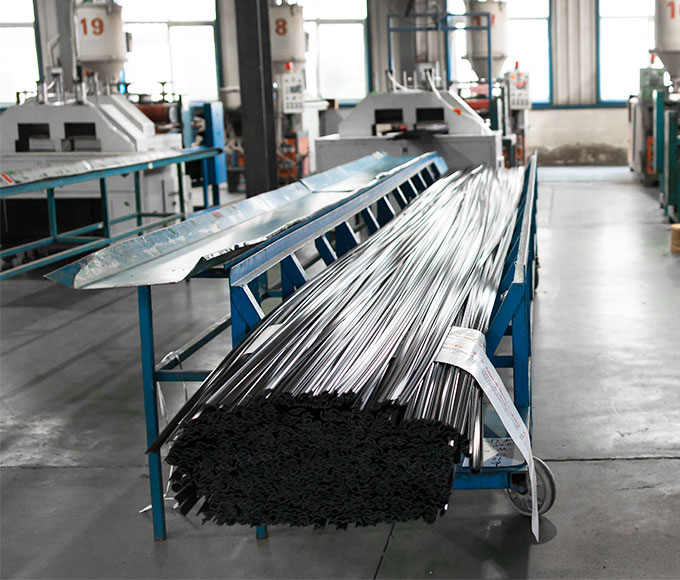
A thermal break strip is a material that acts as a barrier between conductive parts of a building structure to minimize heat transfer. Typically, these strips are made from insulating materials like polyamide, PVC, or nylon, which are non-conductive and have excellent heat-insulating properties. The strips are installed in the gaps between building components like windows, doors, and walls, reducing the amount of heat that passes through, and thus improving the building's energy efficiency. By preventing heat flow, thermal break strips also enhance overall comfort by maintaining a stable indoor temperature.
Thermal break strips are primarily used in the construction of energy-efficient buildings. They can be installed in windows, doors, curtain walls, and other areas where conductive materials might lead to excessive heat transfer. Their role is to stop unwanted heat loss in the winter and prevent excessive heat gain during the summer months.
Thermal break strips work by creating a barrier between the internal and external components of the building, preventing the direct flow of heat through the materials. In colder climates, they prevent the loss of heated air from inside the building, while in warmer climates, they prevent hot air from infiltrating. By breaking the conductive paths for heat, thermal break strips improve insulation performance, which is critical for enhancing building energy efficiency.
The material used in thermal break strips plays a vital role in how well they perform. Materials like polyamide are excellent at preventing heat transfer, while PVC and nylon are also effective but may offer slightly less thermal resistance. The most common method of installation involves placing the thermal break strip between two conductive materials, such as a metal window frame and a wall, ensuring there is no direct contact between them.
Thermal break strips are essential for enhancing the energy efficiency of buildings. By significantly reducing heat transfer through walls, windows, and doors, they help lower energy consumption, which directly contributes to reduced heating and cooling costs. This is particularly important as energy costs continue to rise, and building regulations demand more energy-efficient solutions. The use of high-quality thermal break strips also improves occupant comfort by maintaining stable indoor temperatures throughout the year.
Moreover, these strips are integral to achieving energy efficiency standards for green building certifications, such as LEED (Leadership in Energy and Environmental Design). As buildings worldwide aim to reduce their environmental impact, thermal break strips help minimize the carbon footprint by reducing the energy required for heating and cooling.
The selection of materials for thermal break strips is crucial to their effectiveness and longevity. Some of the most common materials used for thermal break strips include:
| Material | Properties | Best For |
|---|---|---|
| Polyamide | Excellent thermal insulation, high durability | High-performance commercial buildings |
| PVC | Good cost-to-performance ratio, effective in mild climates | Residential buildings and moderate climates |
| Nylon | Flexible, durable, and resistant to environmental degradation | Environments requiring extra resilience |
The material you select will depend on your specific application, climate, and budget. High-performance materials like polyamide are best for extreme conditions, while PVC and nylon are suitable for more standard residential projects.
The choice of thermal break strip also depends on the type of building and its location. Climate plays a crucial role in determining the ideal material and thickness for thermal break strips:
Residential buildings in moderate climates can typically use PVC thermal break strips, as they offer good insulation at a lower cost.
Commercial buildings or residential buildings in extreme climates may require higher-performance materials, like polyamide or nylon, to ensure long-term energy savings and comfort. These materials offer better thermal resistance, which is particularly important in areas that experience extreme temperatures.
Moreover, buildings located near the coast or in industrial areas may face additional environmental challenges, such as corrosion or exposure to harsh chemicals. In these cases, choosing more durable and corrosion-resistant materials, such as nylon or polyamide, is critical to maintaining the thermal break strip’s performance over time.
With increasing demand for sustainable construction materials, many building projects are looking for ways to reduce their environmental impact. When selecting thermal break strips, consider opting for materials that are eco-friendly, recyclable, and have minimal environmental impact. Materials like polyamide and PVC can be manufactured using recycled content, further reducing their carbon footprint.
Additionally, energy-efficient thermal break strips contribute to a building’s overall environmental performance by reducing the energy required for heating and cooling, helping to meet green building standards.
The thickness of a thermal break strip plays a critical role in its thermal efficiency. Thicker strips provide better insulation by offering greater resistance to heat transfer. This is particularly important in buildings that experience extreme temperatures, where the extra thickness can prevent significant heat loss or gain.
However, increasing thickness also increases the cost, as thicker strips tend to be more expensive and may require additional installation time. It’s important to balance the performance benefits of thicker strips with the overall cost and installation feasibility for your specific project.
Standard thickness: Standard-sized thermal break strips are readily available and are generally sufficient for most residential applications. They are more cost-effective and easier to install than custom strips, making them a popular choice for general use.
Custom thickness: Custom thicknesses may be required for specialized applications, such as in high-performance buildings, or for projects in regions with extreme weather conditions. Custom thermal break strips are tailored to meet the specific needs of the building, ensuring optimal insulation and energy efficiency.
Tip:For high-performance buildings that require certifications like LEED, custom thickness may be necessary to meet stringent energy efficiency requirements.
High-performance buildings often require thermal break strips with specific characteristics. These buildings are typically designed to meet strict energy efficiency standards and may need thicker or more durable thermal break strips. It’s essential to consider the material, thickness, and overall performance of the thermal break strips to ensure they meet the required thermal resistance values and contribute to the building’s energy performance.
The lifespan of thermal break strips is influenced by environmental factors like UV exposure, moisture, and physical wear. Materials like polyamide and nylon tend to last longer due to their resistance to environmental degradation, while PVC strips may degrade faster, especially in harsh conditions.
Thermal break strips used in high-traffic areas, such as commercial buildings, or in regions with extreme weather, need to be made from more durable materials to withstand wear and environmental stress. Choosing materials that offer excellent durability ensures the longevity of the strips, maintaining their effectiveness throughout the building’s lifespan.
While thermal break strips are generally low-maintenance, it’s important to inspect them periodically for signs of wear or damage. If they are worn out or damaged, replacing them promptly will ensure continued thermal efficiency and prevent energy loss.
The cost of thermal break strips is influenced by several factors, including the material, thickness, and custom specifications. Polyamide and nylon are more expensive than PVC due to their superior thermal properties and durability. Additionally, the required thickness also impacts the price, with thicker strips generally costing more.
When evaluating the cost-effectiveness of thermal break strips, consider both the initial installation cost and the long-term energy savings. Although premium materials like polyamide may have a higher upfront cost, they can offer greater energy savings and durability, making them more cost-effective in the long run.
Budget-friendly options: PVC strips offer good insulation at a lower cost, making them ideal for residential projects in moderate climates.
Premium products: Polyamide or nylon strips provide superior insulation and are ideal for commercial buildings or residential applications in extreme climates where long-term energy savings are a priority.
Proper installation of thermal break strips is essential for maximizing their effectiveness. Ensure the strips fit tightly between the window or door frame and the wall, with no gaps for heat to pass through. Follow the manufacturer's guidelines for correct installation to avoid common mistakes and ensure optimal performance.
Common installation mistakes include misalignment of the strips, failure to seal gaps, or using the wrong adhesive. These errors can compromise the effectiveness of the thermal break strips, leading to energy loss and reduced comfort.
If you are uncertain about installing the thermal break strips, it is best to work with professional installers. They have the expertise to ensure the strips are properly fitted and that any potential issues with the building’s structure are addressed.
Choosing the right thermal break strip is essential for boosting energy efficiency, reducing costs, and ensuring long-term performance. By evaluating factors like material, thickness, durability, and cost, you can make the best choice for your project. Whether for residential, commercial, or high-performance buildings, the right strip helps cut energy use, enhances comfort, and supports sustainable design. Wuhan Yuanfa New Materials offers high-quality thermal break strips that deliver exceptional value through superior insulation and durability, making them a reliable choice for your construction needs.
A: A thermal break strip is a material that prevents heat transfer between building components, enhancing energy efficiency and comfort.
A: Consider factors like material, thickness, durability, and cost to ensure the thermal break strip meets your project’s needs.
A: They help reduce energy consumption, maintain stable indoor temperatures, and improve the overall performance of buildings.
A: Polyamide, PVC, and nylon are commonly used for thermal break strips, each offering different levels of insulation and durability.
A: While the upfront cost varies, investing in high-quality thermal break strips leads to long-term energy savings and enhanced building performance.


