

close
Choose Your Site
Global
Social Media

Author: Site Editor Publish Time: 2025-10-29 Origin: Site
Have you ever wondered how modern buildings maintain energy efficiency while ensuring comfort? Polyamide insulating profiles hold the secret. These innovative components revolutionize thermal insulation in construction. In this post, you'll learn how polyamide insulating profiles work and their crucial role in enhancing building performance.
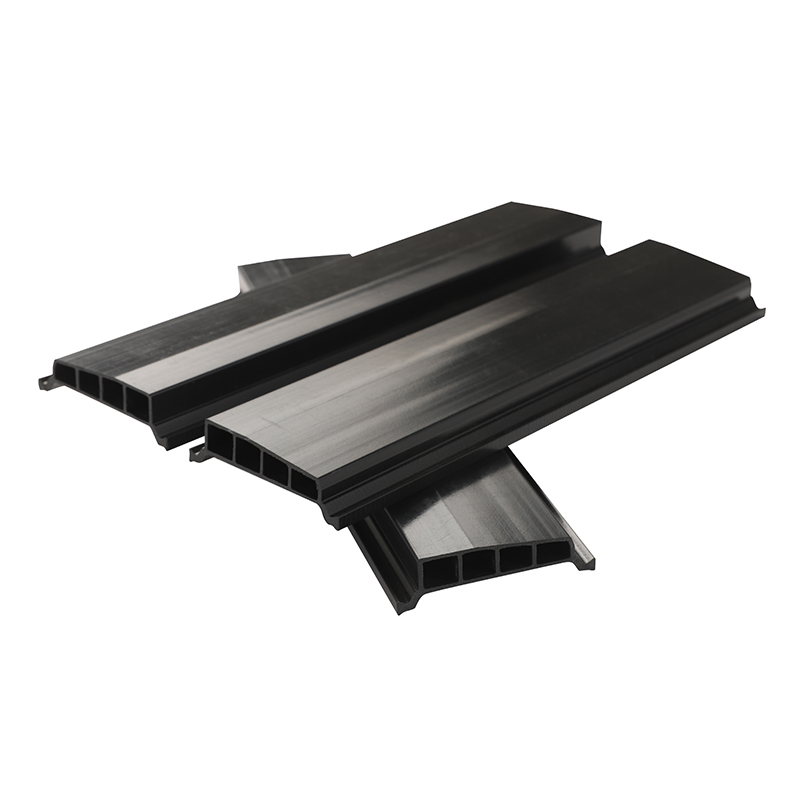
Polyamide insulating profiles, often called thermal break profiles, are specially designed plastic strips used to separate aluminum components in windows, doors, and facades. These profiles act as a barrier preventing heat transfer between the inner and outer aluminum frames. Made primarily of polyamide—a type of nylon—they possess excellent thermal insulation properties, which help reduce energy loss and condensation issues.
Typically, these profiles are manufactured from virgin polyamide 66 (PA66), reinforced with about 25% glass fiber to enhance strength and durability. This glass fiber reinforcement also ensures the profiles have a thermal expansion coefficient similar to aluminum, allowing them to maintain structural integrity during temperature changes. The profiles are extruded with high precision, resulting in smooth surfaces and tight tolerances that fit perfectly within aluminum frames.
Several types of polyamide exist, each offering unique properties suited for different applications. The most common types used in insulating profiles include:
PA66 (Polyamide 66): Known for high mechanical strength, excellent thermal stability, and good chemical resistance. PA66 reinforced with glass fibers (often 25%) is the industry standard for thermal break profiles due to its durability and dimensional stability.
PA6: Slightly softer and more flexible than PA66, used in some applications but less common for thermal breaks.
Bio-based and recycled polyamides: Emerging eco-friendly options that reduce environmental impact while maintaining performance.
Specialty polyamides: Modified with additives to improve properties like UV resistance, moisture absorption, or thermal conductivity.
The choice depends on required mechanical strength, thermal insulation needs, environmental conditions, and sustainability goals.
Polyamide insulating profiles serve as a thermal break between the inner and outer aluminum frames in windows, doors, and facades. Aluminum is a great material for strength and durability but has high thermal conductivity, meaning it easily transfers heat or cold. This can cause energy loss and condensation issues inside buildings. The polyamide strip acts as a barrier, interrupting the heat flow through the aluminum frame.
Think of it as a sandwich: two aluminum pieces are separated by a polyamide layer. This layer does not conduct heat well, so it reduces the direct transfer of temperature between the inside and outside. This separation helps keep indoor temperatures stable and prevents condensation from forming on the aluminum surfaces.
Heat transfer happens mainly through conduction in aluminum frames. Since aluminum is a metal, it transfers heat quickly. Polyamide, however, is a plastic with low thermal conductivity—about 500 times less than aluminum. When placed between aluminum parts, polyamide profiles drastically reduce the heat flow.
This reduction in heat transfer improves the overall thermal performance of the window or door system. It means less energy is needed to heat or cool a building, lowering utility bills and carbon emissions. The polyamide profiles also help prevent cold spots on the interior surfaces, reducing the risk of condensation and mold growth.
Moreover, polyamide profiles are reinforced with glass fiber to match aluminum's expansion and contraction during temperature changes. This ensures the thermal break remains intact and effective over many years without cracking or separating.
In summary, polyamide insulating profiles work by creating a durable, non-conductive barrier that breaks the heat flow in aluminum frames. This makes aluminum windows and doors energy-efficient and comfortable for occupants.
Polyamide insulating profiles play a crucial role in boosting energy efficiency in buildings. By acting as thermal breaks, they dramatically reduce heat transfer through aluminum frames, which are naturally good conductors of heat. This means less heat escapes during winter and less heat enters during summer, helping maintain a stable indoor temperature. As a result, buildings require less energy for heating and cooling, leading to lower utility bills and a reduced carbon footprint.
The thermal conductivity of polyamide is about 500 times lower than aluminum, making it an excellent insulator. When combined with glass fiber reinforcement, polyamide profiles maintain their shape and insulating properties even under temperature fluctuations. This ensures continuous energy savings over the lifespan of windows, doors, and facade systems.
Polyamide insulating profiles are designed to last. The addition of glass fibers not only enhances thermal insulation but also strengthens the profiles, making them resistant to mechanical stress, impacts, and deformation. Unlike other insulating materials, polyamide profiles expand and contract at a rate similar to aluminum, preventing cracks or gaps that could compromise insulation.
They resist moisture absorption, UV radiation, and chemical exposure, which are common challenges in outdoor building applications. This durability ensures that polyamide profiles maintain their insulating performance and structural integrity for decades, reducing maintenance costs and the need for replacements.
Using polyamide insulating profiles contributes positively to environmental sustainability. Their energy-saving benefits reduce greenhouse gas emissions by lowering heating and cooling demands. Furthermore, polyamide 66 used in these profiles is fully recyclable, supporting circular economy principles.
Manufacturers increasingly offer bio-based and recycled polyamide options, further minimizing environmental impact. The long lifespan of polyamide profiles also means fewer resources are consumed over time compared to less durable materials. Choosing polyamide profiles aligns with green building certifications and sustainability goals, making them a smart choice for environmentally conscious construction projects.
Tip: Opt for polyamide insulating profiles reinforced with 25% glass fiber to ensure optimal energy savings, durability, and environmental benefits in your aluminum window and facade systems.
Polyamide insulating profiles are essential in modern aluminum windows and doors. Aluminum frames are strong, lightweight, and durable but conduct heat easily, leading to energy loss and condensation problems. Polyamide strips act as thermal breaks, separating the inner and outer aluminum parts. This barrier prevents heat from passing through the frame, improving energy efficiency and indoor comfort.
For example, Kronos's 18mm thermal strut polyamide strips, made from PA66 reinforced with 25% glass fiber, fit precisely into aluminum frames. This reinforcement matches aluminum's thermal expansion, ensuring the profiles stay intact through temperature changes. The result: windows and doors that reduce heating and cooling costs while preventing cold spots and moisture buildup inside buildings.
Polyamide insulating profiles are widely used in aluminum facade systems for commercial and residential buildings. Facades often cover large areas, making thermal performance critical for energy efficiency and occupant comfort. Polyamide profiles provide a durable thermal barrier between exterior and interior aluminum components, lowering heat transfer significantly.
In stick curtain walls and unitized facade systems, polyamide spacers and pressure plates improve insulation and structural integrity. These profiles resist heat distortion and chemical exposure, ensuring long-term durability. They also help meet strict green building standards by reducing the building's overall energy demand.
Additionally, polyamide glass edge profiles protect glass panels while supporting gaskets that ensure air and water tightness. This combination enhances facade performance in harsh climates, where temperatures can reach over 80 °C (176 °F).
Beyond windows, doors, and facades, polyamide insulating profiles find applications in various architectural elements:
Skylights and storefronts: Thermal breaks improve insulation and reduce condensation.
Curtain walls: Polyamide profiles separate aluminum mullions and transoms, enhancing thermal performance.
Solar panel frames: Durable polyamide profiles resist weathering and thermal cycling.
Operating rods and sunroof rails: Reinforced polyamide ensures strength and low friction.
These applications benefit from polyamide’s excellent mechanical properties, thermal insulation, and resistance to environmental factors.
Aluminum is popular for window and door frames due to its strength, light weight, and durability. However, aluminum is a metal with high thermal conductivity. It easily transfers heat and cold, which leads to energy loss and condensation problems inside buildings. This is where polyamide insulating profiles shine.
Polyamide acts as a thermal break by separating the inner and outer aluminum frames. It has a thermal conductivity about 500 times lower than aluminum. This huge difference drastically reduces heat flow through the frame. The result is better insulation, more stable indoor temperatures, and less condensation.
Another advantage is how polyamide matches aluminum’s expansion and contraction during temperature changes. Polyamide profiles reinforced with glass fiber expand almost the same as aluminum. This prevents cracks or gaps that could weaken the insulation. Aluminum alone cannot achieve this thermal break effect.
In summary, polyamide insulating profiles complement aluminum frames perfectly. They maintain aluminum’s strength and durability while overcoming its thermal weaknesses. Aluminum provides structural support; polyamide provides thermal separation.
PVC and wood are common alternatives for window and door frames. Both have lower thermal conductivity than aluminum, so they insulate better naturally. However, they come with their own trade-offs.
PVC is cost-effective and offers good thermal insulation. But it can deform or discolor under UV exposure and extreme temperatures. Its environmental impact is also a concern since PVC is less recyclable and often derived from non-renewable sources.
Wood provides excellent natural insulation and aesthetic appeal. It is renewable and biodegradable. However, wood requires regular maintenance to prevent rot, warping, and insect damage. It also tends to be heavier and less dimensionally stable than aluminum or polyamide.
Polyamide insulating profiles combine the best of both worlds when used with aluminum. They offer superior thermal insulation like PVC and wood but with higher durability, dimensional stability, and resistance to moisture and UV radiation. They also support sustainable building goals through recyclability and long service life.
Tip: When selecting insulating materials for aluminum frames, prioritize polyamide profiles reinforced with glass fiber to achieve optimal thermal performance, durability, and compatibility, outperforming aluminum alone and offering advantages over PVC and wood.
Polyamide insulating profiles are primarily produced using high-precision extrusion. This process involves melting polyamide pellets—often PA66 reinforced with 25% glass fiber—and forcing the molten material through a shaped die to form continuous strips or profiles. Extrusion allows for consistent cross-sectional shapes that fit perfectly within aluminum frames.
Key steps in extrusion include:
Material preparation: Polyamide granules are dried to remove moisture, preventing defects during extrusion.
Melting and mixing: The granules melt inside an extruder barrel, where temperature and pressure are carefully controlled.
Shaping: The molten polyamide is pushed through a die that shapes the profile to exact dimensions.
Cooling: The extruded profile passes through a cooling bath or air cooling system to solidify.
Cutting: Profiles are cut to standard lengths, commonly 6 meters per piece.
Glass fiber reinforcement enhances strength and dimensional stability, important during extrusion to maintain tight tolerances and smooth surfaces. Advanced extrusion machines with precise temperature control and screw design ensure consistent quality and repeatability.
Quality control is critical to ensure polyamide insulating profiles perform reliably in thermal break applications. Manufacturers implement rigorous measures such as:
Dimensional inspection: Profiles are measured for width, thickness, and length tolerances using laser gauges or calipers.
Surface quality checks: Visual and tactile inspections detect surface defects like roughness, bubbles, or cracks.
Mechanical testing: Samples undergo tensile strength and impact resistance tests to verify glass fiber reinforcement effectiveness.
Thermal performance validation: Thermal conductivity tests confirm the profiles meet insulation standards.
Moisture content analysis: Ensures polyamide is properly dried before extrusion to avoid warping or dimensional changes.
Batch traceability: Each production batch is documented to track raw material sources and processing parameters.
Packaging also plays a role in quality preservation. Profiles are often packed in fumigation-free wooden cases or protective wrapping to prevent damage during transport and storage.
Polyamide insulating profiles, particularly those reinforced with glass fiber, offer excellent thermal insulation and durability. They act as thermal breaks, reducing heat transfer in aluminum frames, improving energy efficiency, and minimizing condensation. The future of these profiles looks promising, with emerging eco-friendly options enhancing sustainability. Yuanfa provides high-quality polyamide insulating profiles, ensuring energy-efficient and durable solutions for aluminum windows, doors, and facades. Their commitment to quality and innovation makes them a leader in the industry.
A: Polyamide Insulating Profiles act as a thermal barrier between aluminum frames, reducing heat transfer and improving energy efficiency in buildings.
A: They are used to enhance energy efficiency, prevent condensation, and maintain stable indoor temperatures by reducing heat flow in aluminum frames.
A: Benefits include improved energy efficiency, durability, reduced utility bills, and environmental sustainability due to their recyclable nature.
A: Polyamide offers superior thermal insulation and durability compared to aluminum alone, and better stability and resistance than PVC and wood.


